Neurologic conditions affect the brain, spinal cord, and nerves. Whether symptoms come from a stroke, a persistent viral illness, or a neurodevelopmental condition, many patients describe the same core experience: the nervous system feels slower, more sensitive, or less efficient than it used to be.
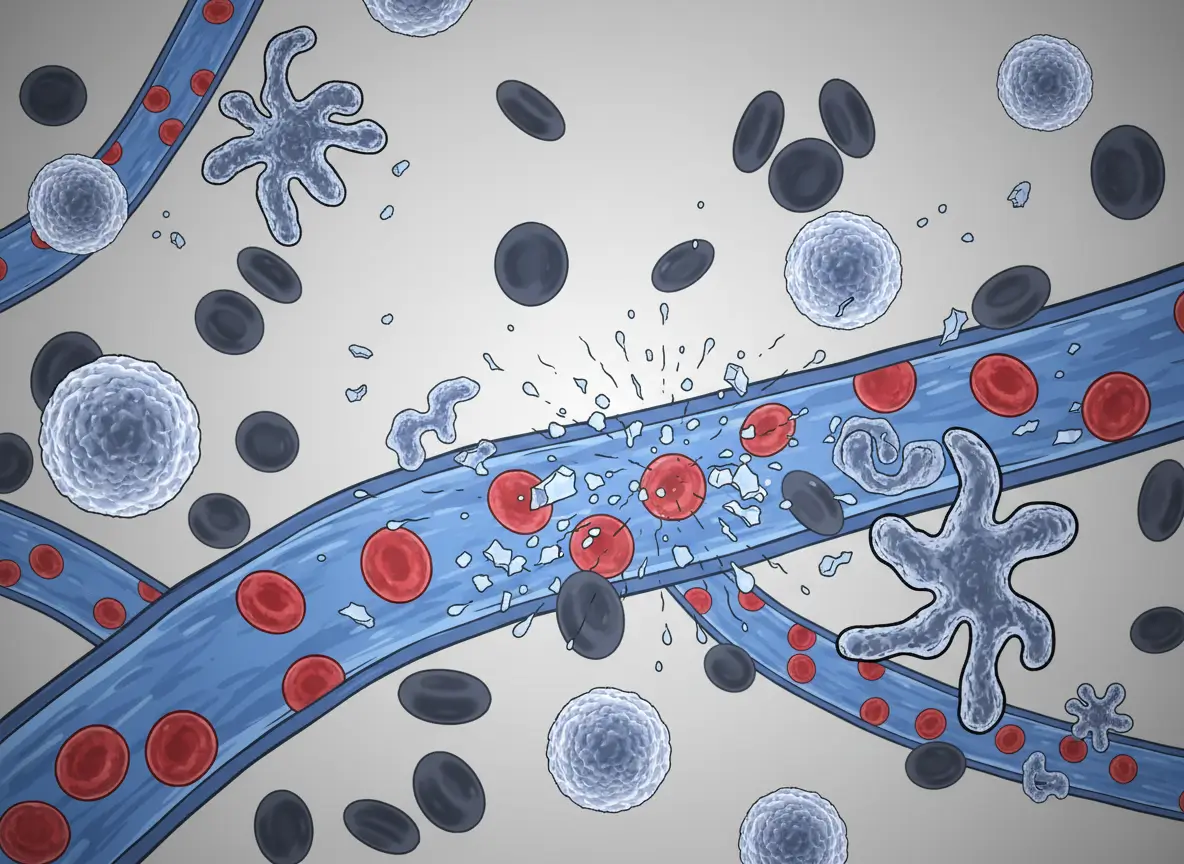
The brain is one of the highest energy organs in the body, and it depends on steady oxygen delivery. When blood flow is reduced, inflammation is ongoing, or the brain is working harder to compensate, symptoms can show up as fatigue, brain fog, slower thinking, balance changes, sleep disruption, mood changes, and decreased stamina.
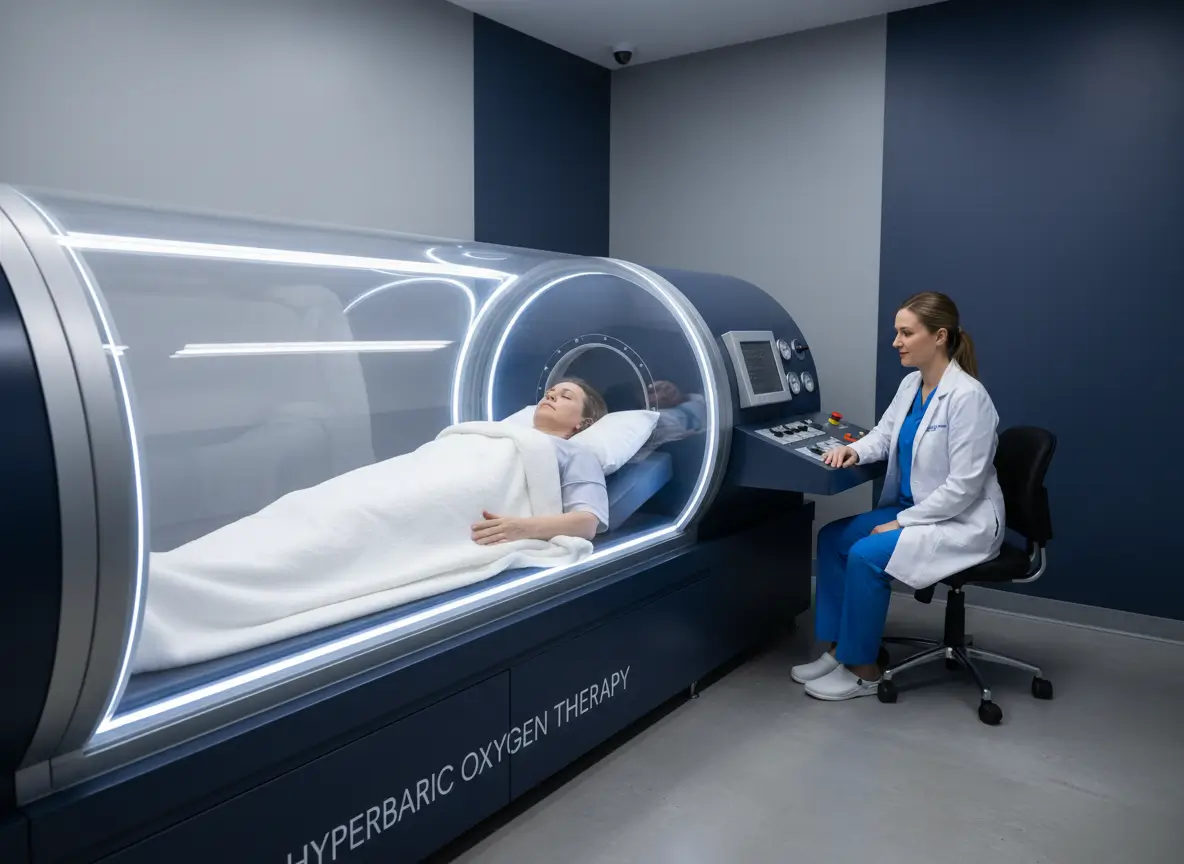
For neurologic recovery, HBOT is used with one main goal in mind: give the nervous system more oxygen support while it heals and relearns. Under hyperbaric conditions, oxygen dissolves into the liquid part of your blood at much higher levels than normal. That means oxygen can reach tissue more easily, including areas where circulation or oxygen delivery is not as efficient.
In practical, patient centered terms, HBOT may help support neurologic health by:
- Supporting brain metabolism: the brain uses a lot of energy. More oxygen availability can help meet energy demands during recovery and rehabilitation.
- Creating a better healing environment: higher oxygen levels can support tissue repair processes and may help the body manage inflammation and swelling in stressed tissue.
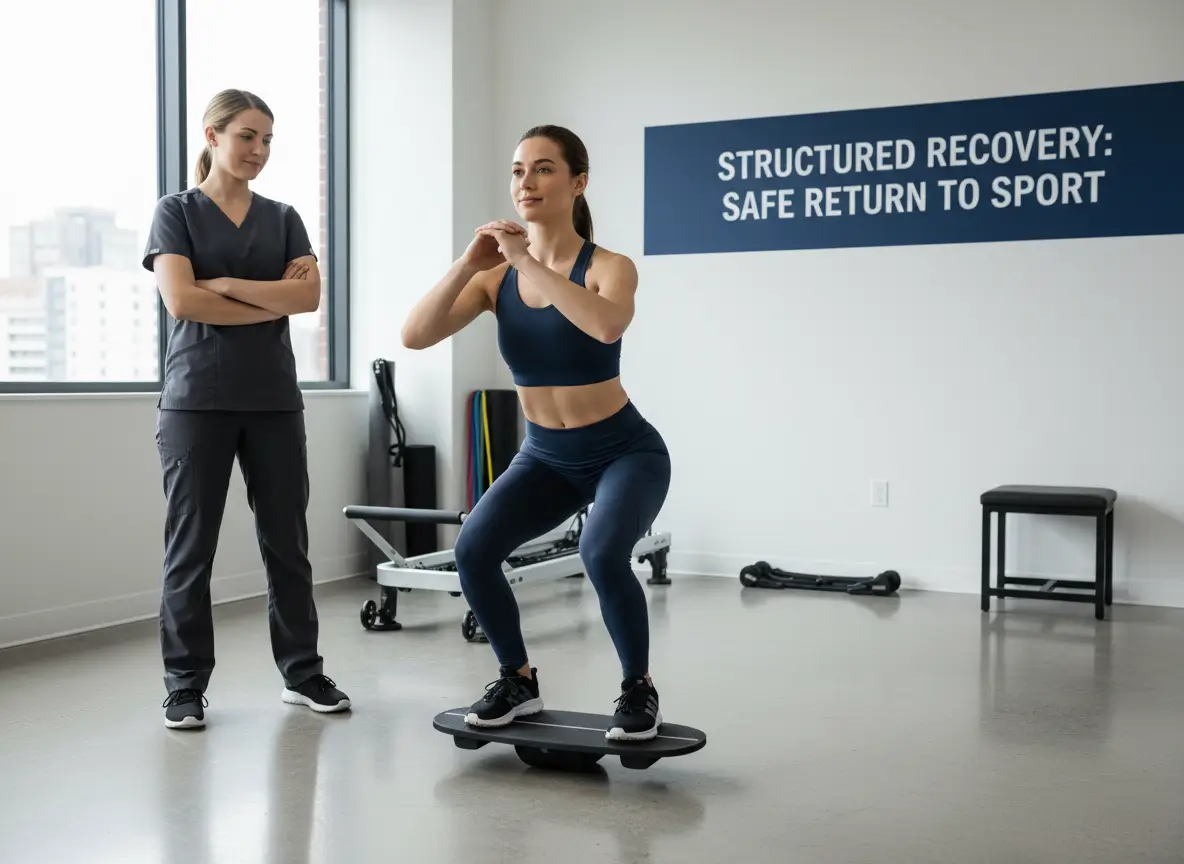
- Boosting rehabilitation: many patients see the most meaningful changes when HBOT is paired with active therapy, because improved recovery conditions may support neuroplasticity during movement, balance, and cognitive training.
Because neurology is complex, we treat HBOT as one tool inside a broader plan, with clear goals and measurable checkpoints.
Clinical note: For some neurologic diagnoses, HBOT is considered case by case and is still being studied. Our role is to evaluate your history, symptoms, and goals, then explain whether HBOT is reasonable for you and what results are realistic.
Want to know if HBOT is for you?
Related neurologic conditions we also address
Stroke recovery
A stroke happens when blood flow to part of the brain is blocked or a blood vessel bursts. Many survivors improve steadily, but it is common to have ongoing challenges like weakness, slowed walking, reduced coordination, speech changes, and mental fatigue. The goal after stroke is to support neuroplasticity, which is the brain’s ability to rewire and relearn. HBOT may be considered as a supportive therapy for selected patients because higher oxygen delivery can support brain tissue that is still recovering and may help create better conditions for rehabilitation. In practice, HBOT is most meaningful when it is paired with a structured rehab plan.
Want to know if HBOT is for you?
Dementia and early Alzheimer’s
Memory loss is not the only symptom. Many people notice slower thinking, word finding difficulty, reduced attention, and changes in daily function. Families often describe a gradual shift in independence. HBOT is being explored for cognition and function support in selected patients because oxygen delivery is closely tied to brain metabolism. If HBOT is considered, the most realistic goal is often supporting daily function and quality of life, especially when combined with cognitive training, lifestyle support, and medical management.
Cerebral palsy
Cerebral palsy (CP) is a condition that affects movement, muscle tone, and coordination and begins early in life. Symptoms can include stiffness, balance challenges, fatigue with activity, and difficulty with fine motor skills. In CP, the focus is long term function, comfort, mobility, and participation. HBOT is considered case by case and is sometimes explored to support overall tissue recovery and neurologic function. When it is used, outcomes tend to be strongest when HBOT is paired with physical therapy, occupational therapy, and gait or balance training.
Want to know if HBOT is for you?
Chronic fatigue and long COVID
Some patients experience prolonged fatigue, brain fog, headaches, sleep disruption, and exercise intolerance after infection. Many describe a reduced capacity, where normal activities drain them quickly. This can involve autonomic imbalance, inflammation, and altered energy use in the body. HBOT is being studied for persistent symptoms because additional oxygen availability may support recovery in tissues under stress. When patients improve, it is often reported as steadier stamina, clearer thinking, and improved tolerance for activity over time, especially when HBOT is paired with pacing strategies and a gradual return to activity plan.
Want to know if HBOT is for you?
Autism spectrum disorder
Autism is a neurodevelopmental condition that affects communication, sensory processing, and behavior. Support is individualized and may include speech therapy, occupational therapy, behavioral supports, and school based planning. HBOT is considered research and case by case in this area. If it is considered, the focus is on careful selection, clear goals, and realistic expectations, with HBOT used as a supportive therapy alongside established developmental interventions.
Explore UIC’s Behavioral Health Program for support with mood changes, anxiety, coping skills, and behavior strategies, including pediatric behavioral support for children and teens.
Benefits of treating it with HBOT
Neurologic recovery is about function and quality of life. Depending on the diagnosis and your baseline, goals may include:
- Better stamina and less symptom flare after activity
- Clearer thinking and improved attention for daily tasks
- Improved sleep quality, which supports healing and cognition
- Better balance and confidence with movement when paired with rehabilitation
Improved daily function and independence goals over time
Want to know if HBOT is for you?
Profile of a patient who could benefit
You may be a good candidate to explore HBOT as part of a neurologic support plan if:
- You have neurologic symptoms that are still limiting daily life (fatigue, brain fog, slowed function, balance issues)
- Your condition is medically stable and you are looking for a structured plan to support recovery
- You can commit to a multi session program and are open to pairing HBOT with rehabilitation and lifestyle support
- You want a medical evaluation that clarifies whether HBOT is reasonable for your diagnosis and goals
Want to know if HBOT is for you?
Relevant points to consider
- For many neurologic conditions, HBOT is not a stand alone solution. Outcomes are strongest when combined with rehabilitation.
- Some neurologic applications are still being studied, so we focus on careful selection, measurable goals, and realistic expectations.
- Safety matters. A medical screening is required to confirm HBOT is appropriate for you.
Ready for a clear plan? Call (866) 961-1744 to schedule a consultation, or contact us to request an evaluation.
We will review your symptoms, timeline, and goals, then explain whether HBOT will be of benefit for your case and what a realistic treatment plan could look like.