An Option For Just Feeling Better
utoimmune conditions happen when the immune system becomes overactive and targets the body’s own tissues. Depending on the diagnosis, this can affect joints, skin, the gut, the nervous system, or multiple organs. Many patients live with cycles of flares and recovery, and symptoms often include pain, fatigue, brain fog, sleep disruption, and reduced tolerance for stress or activity.
From a medical standpoint, most autoimmune care focuses on controlling inflammation and protecting organs using diagnosis specific treatments. HBOT is not a replacement for that care. It is used as a supportive therapy in selected patients to help address a common problem that shows up in chronic inflammation: tissue that is under strain and does not get the oxygen support it needs to repair efficiently.
In everyday terms, HBOT may support autoimmune and inflammatory health by helping the body:
- Increase oxygen availability to stressed tissues, which supports repair processes
- Support microcirculation (small vessel delivery), which is often part of symptom burden in chronic inflammatory states
- Support recovery capacity by improving the tissue environment during rehabilitation, nutrition support, and lifestyle based care
Clinical note: For autoimmune conditions, HBOT is typically a case by case decision. Our role is to evaluate your diagnosis, stability, current treatment plan, symptom pattern, and goals, then explain whether HBOT fits and what a realistic plan looks like.
Want to know if HBOT is for you?
Related inflammatory conditions HBOT can support
Multiple sclerosis (MS)
MS is an immune mediated condition that affects the central nervous system. Symptoms can include fatigue, weakness, sensory changes, balance problems, and cognitive slowing. MS care is highly individualized and usually includes disease modifying therapy plus symptom management.
At UIC, HBOT is positioned as recovery support, not disease control. By increasing oxygen availability to stressed tissue, HBOT supports the physiologic environment your body uses for repair and rehabilitation. For MS patients who pursue HBOT, the typical goals are better stamina, improved tolerance for therapy, and steadier day to day function, especially when HBOT is coordinated with physical therapy, balance support, and medical management.
Want to know if HBOT is for you?
Lupus (SLE)
Lupus can affect joints, skin, kidneys, and other organs. Patients may experience flares with pain, fatigue, rashes, and systemic symptoms. The priority is controlling inflammation and protecting organs.
HBOT can be used as supportive care when recovery is limited by tissue stress, poor healing, or persistent symptom burden. The focus is to strengthen tissue oxygenation and recovery capacity alongside your established lupus plan, and to support functional goals such as improved energy, steadier sleep, and better tolerance for movement and rehabilitation.
Rheumatoid arthritis (RA)
RA is an inflammatory joint condition that can cause pain, swelling, morning stiffness, and reduced function. Over time, inflammation can reduce activity tolerance and contribute to fatigue.
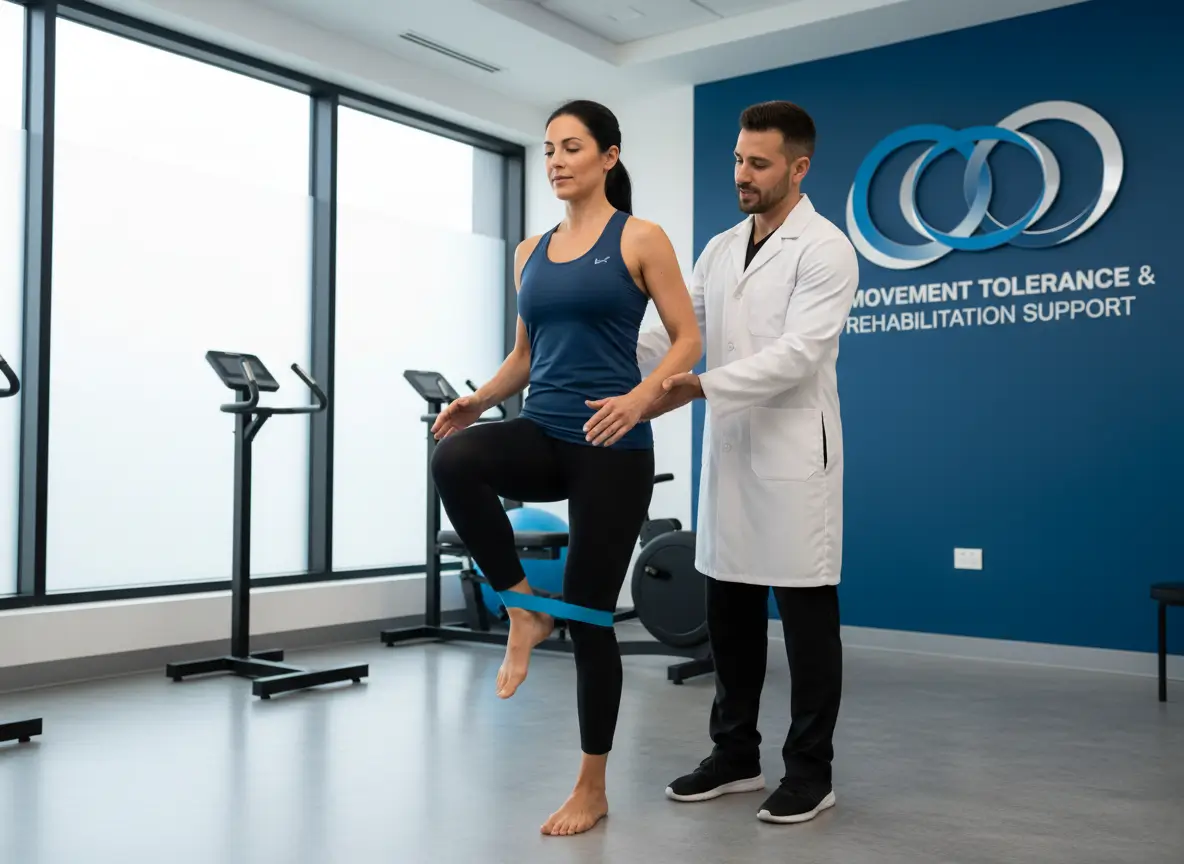
HBOT supports recovery by improving oxygen availability for tissue repair and by strengthening the environment for rehabilitation. The most practical goals for RA patients are improved movement tolerance, reduced recovery setbacks, and better day to day function. We coordinate HBOT with joint protection strategies, strength and mobility work, and the medical plan that manages inflammation.
Want to know if HBOT is for you?
Crohn’s disease and inflammatory bowel disease (IBD)
IBD involves chronic inflammation of the digestive tract and can cause abdominal pain, diarrhea, weight changes, fatigue, and nutrient issues. Many patients also experience extra intestinal symptoms such as joint pain.
HBOT is used as supportive care in selected situations where tissue healing and recovery capacity are central concerns. When HBOT is part of the plan, the goal is to support the healing environment while gastroenterology led care addresses inflammation control, nutrition, and medication optimization.
Want to know if HBOT is for you?
Chronic pain and fibromyalgia
Chronic pain is common in inflammatory conditions. Fibromyalgia is a pain processing condition that can include widespread pain, fatigue, sleep disruption, and sensitivity to stress.
HBOT can be integrated into a broader recovery plan with the goal of lowering overall symptom load and improving day to day function. Patients tend to benefit most when HBOT is paired with consistent sleep support, graded activity, stress regulation, and a clear pain skills strategy through UIC’s coordinated programs.
Benefits of treating it at UOC
A supportive plan that includes HBOT when appropriate is designed to improve function and daily quality of life. Patients often look for:
- More stable energy and fewer crashes after activity
- Reduced symptom burden (pain, fatigue, brain fog)
- Better sleep quality, which supports immune regulation and recovery
- Improved tolerance for rehabilitation, movement, and return to routine
- More predictable recovery between flares
Want to know if HBOT is for you?
Profile of a patient who could benefit
You may be a good candidate to explore HBOT as part of an autoimmune or inflammatory support plan if:
- You have a confirmed autoimmune or inflammatory diagnosis and you are under ongoing care with your specialist (rheumatology, neurology, gastroenterology, or similar)
- Your condition is medically stable (not in an acute emergency), but you are still dealing with a persistent symptom pattern such as fatigue that limits your day, pain that reduces activity, brain fog, or sleep disruption despite appropriate medical management
- You have specific recovery goals we can measure, for example: fewer flares that derail your week, steadier stamina, improved tolerance for rehab or exercise, or improved day-to-day function
- You can commit to a structured program (multiple sessions over several weeks) and you want progress checks tied to symptoms, function, and quality of life
We highly encourage our community of patients to explore our Infusion Therapies, Behavioral Health Program (including pediatric support), and Cognitive Therapy as coordinated services that can strengthen your overall recovery plan
Want to know if HBOT is for you?
Relevant points to consider
- HBOT is supportive care, not a cure and not a replacement for immune targeting medications.
- We prioritize safety, screening, and clear goals. If HBOT is not the right fit, we tell you directly.
- The best outcomes usually come from an integrated plan that also addresses sleep, movement, nutrition, and stress.
Looking for a plan that supports your recovery capacity? Call (866) 961-1744 or visit our contact page to request an evaluation.