Why some infections become hard to treat
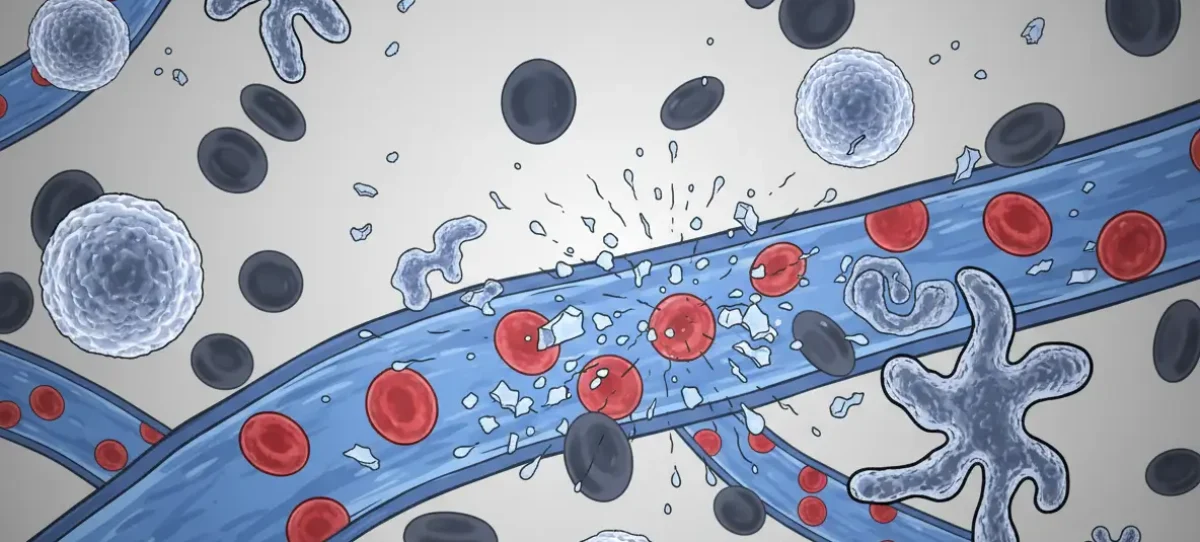
Most infections improve with antibiotics plus standard wound care or surgery. The infections that become dangerous or difficult to clear tend to share one problem: the tissue environment is low in oxygen. This happens with severe swelling, crushed tissue, poor circulation, diabetes related vessel disease, or infections that spread through deep layers. In low oxygen tissue, antibiotics penetrate less effectively, and immune cells do not perform at their best.
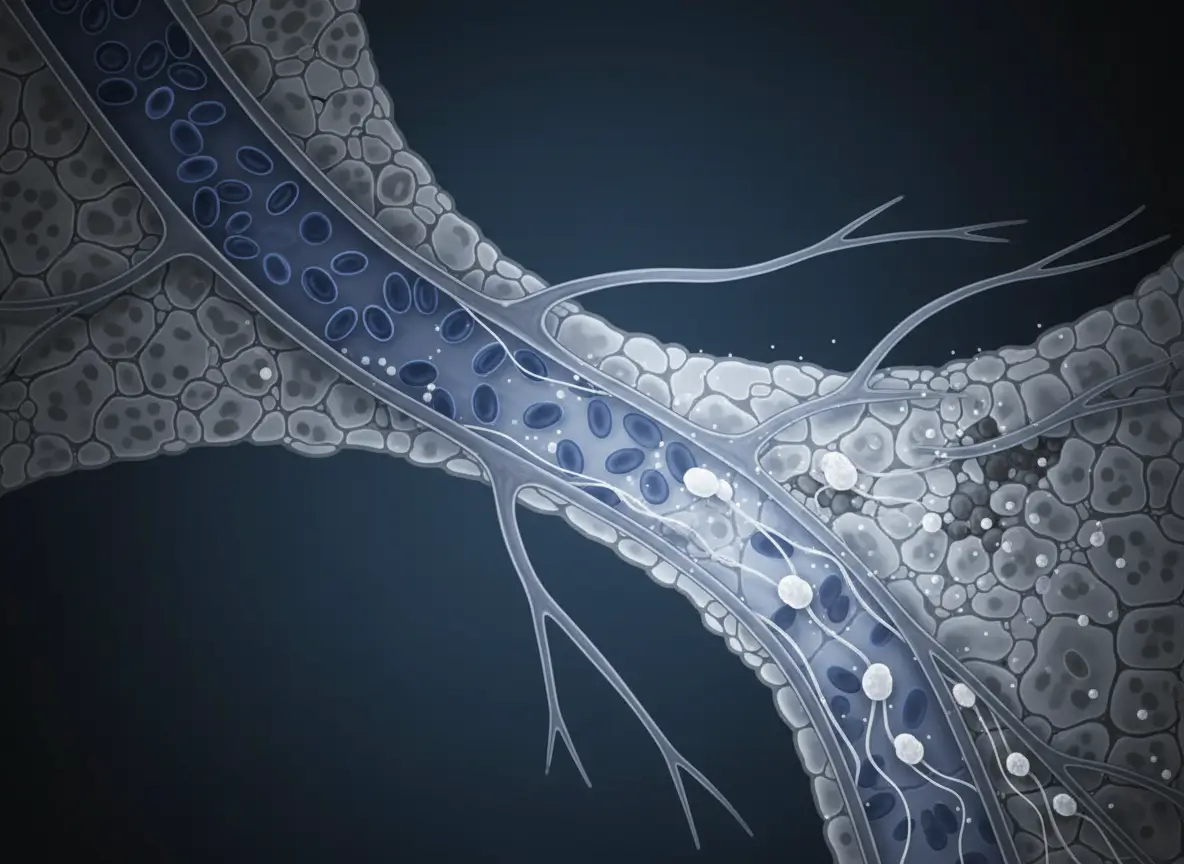
That is where HBOT can add value as an evidence based adjunct for selected severe infections. It does not replace antibiotics or surgery. Instead, it targets the physiologic barrier that standard treatment cannot fully fix quickly: tissue hypoxia. By increasing dissolved oxygen in the blood and raising oxygen delivery to stressed areas, HBOT can:
- Improve white blood cell bacterial killing (immune cells depend on oxygen to generate key antimicrobial activity)
- Inhibit anaerobic organisms that thrive in low oxygen environments
- Reduce tissue edema in certain settings, improving microcirculation and oxygen delivery
- Support tissue viability and repair around the infected area, helping wounds stabilize while definitive care continues
- Support white blood cell function that helps control bacteria
- Limit the growth of certain low oxygen bacteria (anaerobes)
- Support tissue repair in areas where infection and swelling have reduced oxygen delivery
Want to know if HBOT is for you?
Related infection conditions we also address
Necrotizing soft tissue infections (NSTI)
NSTI are fast moving infections that can destroy skin and soft tissue and become life threatening. What makes them dangerous is not only the bacteria, but the speed of tissue injury. Standard care is always emergency surgery plus broad spectrum antibiotics and intensive monitoring. HBOT is used as an adjunct in selected cases because higher oxygen delivery can help support immune defenses, reduce the oxygen starvation that allows certain organisms to thrive, and support tissue recovery around the infected area.
Want to know if HBOT is for you?
Gas gangrene (clostridial myonecrosis)
Gas gangrene is a rare but urgent infection caused by bacteria that thrive in low oxygen environments. It requires urgent surgical care and antibiotics. HBOT may help as part of emergency management by increasing oxygen in tissues, which can limit anaerobic bacterial activity and support the survival of threatened tissue alongside definitive care.
Refractory osteomyelitis (hard to treat bone infection)
Osteomyelitis is an infection in bone, and it can be difficult to clear because bone has limited blood supply and bacteria can persist in damaged tissue. Treatment often includes prolonged antibiotics and sometimes surgical debridement. HBOT may be considered when infection is refractory (not responding as expected) because improved oxygen delivery can support antimicrobial activity and help create a better environment for bone and soft tissue healing. In practical terms, it can be used to support the plan when standard treatment is not enough.
Want to know if HBOT is for you?
Complex infected wounds
Some serious infections start in wounds that are not healing well, especially when circulation is reduced. These cases often require coordinated care including wound management, infection control, and sometimes surgery. HBOT helps by improving oxygen delivery to stressed tissue, which supports the healing environment and can help the body respond more effectively to infection management.
Want to know if HBOT is for you?
Other urgent hyperbaric conditions we treat
We also treat urgent conditions where HBOT is commonly used to rapidly restore oxygen delivery, and prompt evaluation is essential.
Carbon monoxide poisoning
Carbon monoxide is an invisible gas that blocks the body’s ability to use oxygen. Even after the exposure ends, patients can have ongoing neurologic symptoms. HBOT may help by rapidly increasing oxygen delivery and speeding the removal of carbon monoxide from the body. If carbon monoxide exposure is suspected, it is an emergency.
Decompression sickness and air or gas embolism
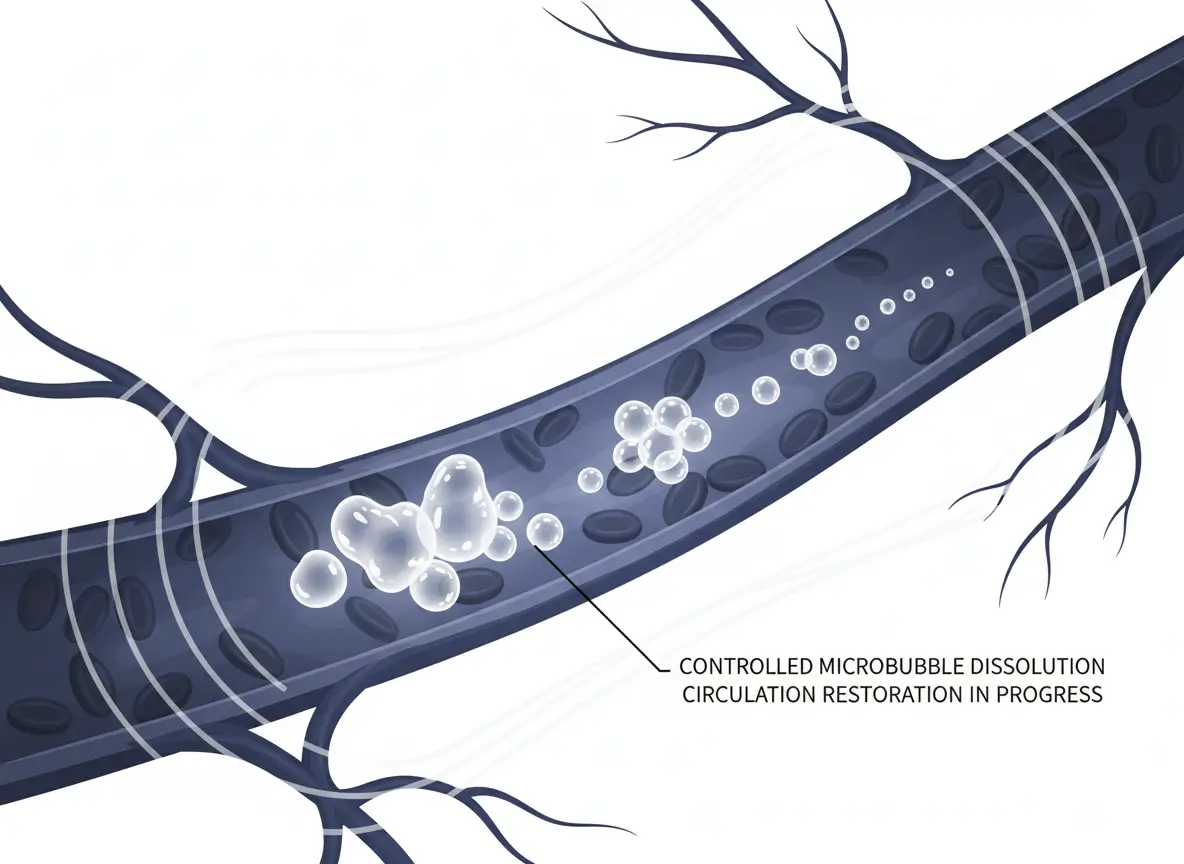
These conditions involve gas bubbles affecting circulation and organs. HBOT is commonly used to shrink bubbles and restore oxygen delivery. If symptoms occur after diving, certain medical procedures, or sudden neurologic symptoms with suspected air embolism, urgent evaluation is required.
Benefits of treating it at UOC
When HBOT is used appropriately for serious infections, goals often include:
- Supporting infection control alongside antibiotics and surgery
- Protecting threatened tissue and supporting recovery around the infected area
- Supporting wound closure and tissue repair when healing is compromised
- Reducing setbacks that lead to repeated procedures or prolonged recovery
We encourage our patients to explore UIC’s Infusion Therapies for coordinated IV treatment support, and UIC’s Wound Care and Recovery options to learn more about our services.
Want to know if HBOT is for you?
Profile of a patient who could benefit
You may be a candidate to consider HBOT as part of infection care if:
- You are being treated for a serious soft tissue infection where tissue is threatened
- You have a refractory bone infection and standard care is not resolving the problem
- You have an infected wound with poor circulation or delayed healing
- Your care team is looking for an adjunct therapy to support healing and tissue viability
Want to know if HBOT is for you?
Relevant points to consider
- HBOT is an adjunct, not a replacement for antibiotics or surgery.
- In serious infections, timing matters. HBOT, when used, is coordinated alongside urgent medical care.
- If you suspect a rapidly worsening infection (severe pain, spreading redness, fever, confusion), seek emergency care.
Ready for a clear plan? Call (866) 961-1744 to schedule a consultation, or contact us to request an evaluation. We will review your symptoms, timeline, and goals, then explain whether HBOT will be of benefit for your case and what a realistic treatment plan could look like.