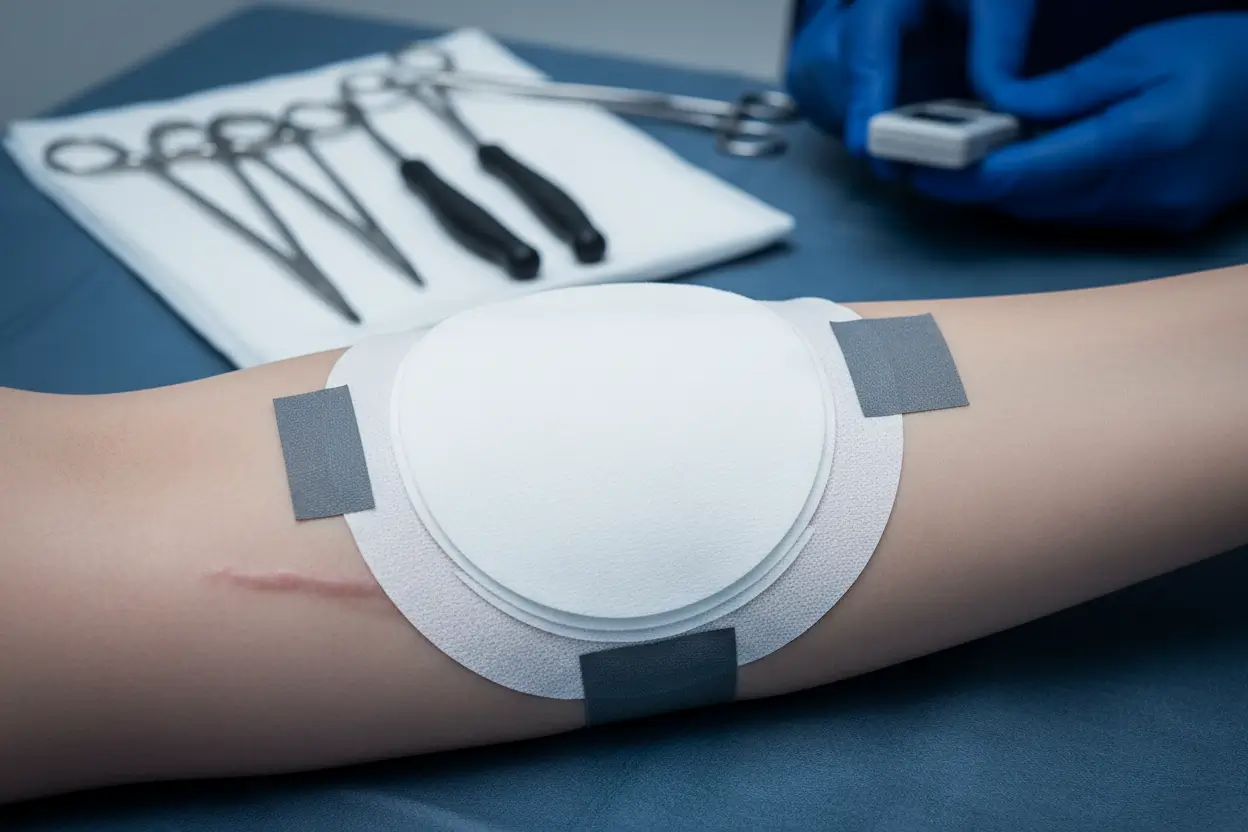
In today’s world, more people than ever are choosing elective, plastic, and cosmetic surgeries to enhance their appearance, boost self-esteem, and improve overall quality of life. Whether it’s a facelift, liposuction, breast augmentation, or a tummy tuck, one goal remains universal—patients want to recover quickly, safely, and with the best possible results. This is where Hyperbaric Oxygen Therapy (HBOT) is emerging as a powerful ally in post-surgical recovery.

Written by

Angel Rigueras
Pain Management Specialist
Share
Written by
Angel Rigueras
Pain Management Specialist
Share
Table of content
Related content
Originally developed to treat deep-sea divers suffering from decompression sickness, HBOT has since evolved into a recognized medical treatment for a wide range of conditions, including carbon monoxide poisoning, decompression sickness, radiation injuries, chronic wounds, and serious infections. Now, it’s gaining momentum in the field of elective surgery as a promising tool to accelerate healing and reduce post-operative complications.
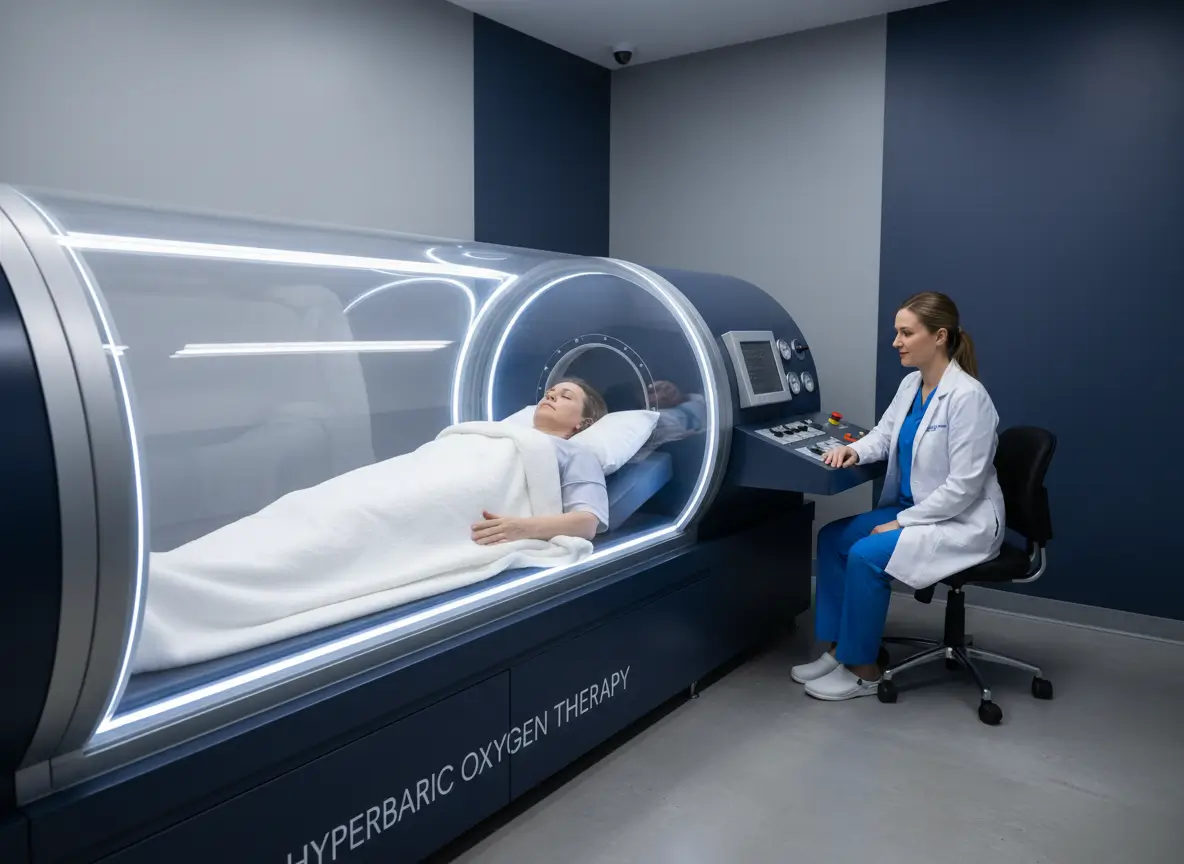
Hyperbaric Oxygen Therapy involves breathing 100% pure oxygen in a specially designed chamber where the air pressure is significantly higher than normal. Under these conditions, the lungs can absorb much more oxygen than usual, allowing a surge of this vital molecule to enter the bloodstream and reach tissues throughout the body.
For post-surgical patients, this means enhanced oxygen delivery to healing areas— stimulating cell regeneration, promoting the growth of new blood vessels (angiogenesis), reducing inflammation, and supporting faster tissue repair. In essence, HBOT acts as a natural boost for the body’s healing process, helping patients bounce back faster and more comfortably.
But how exactly does this therapy work? What does science say about its effectiveness after surgery? And why are some surgeons and patients embracing it as part of a modern recovery plan?
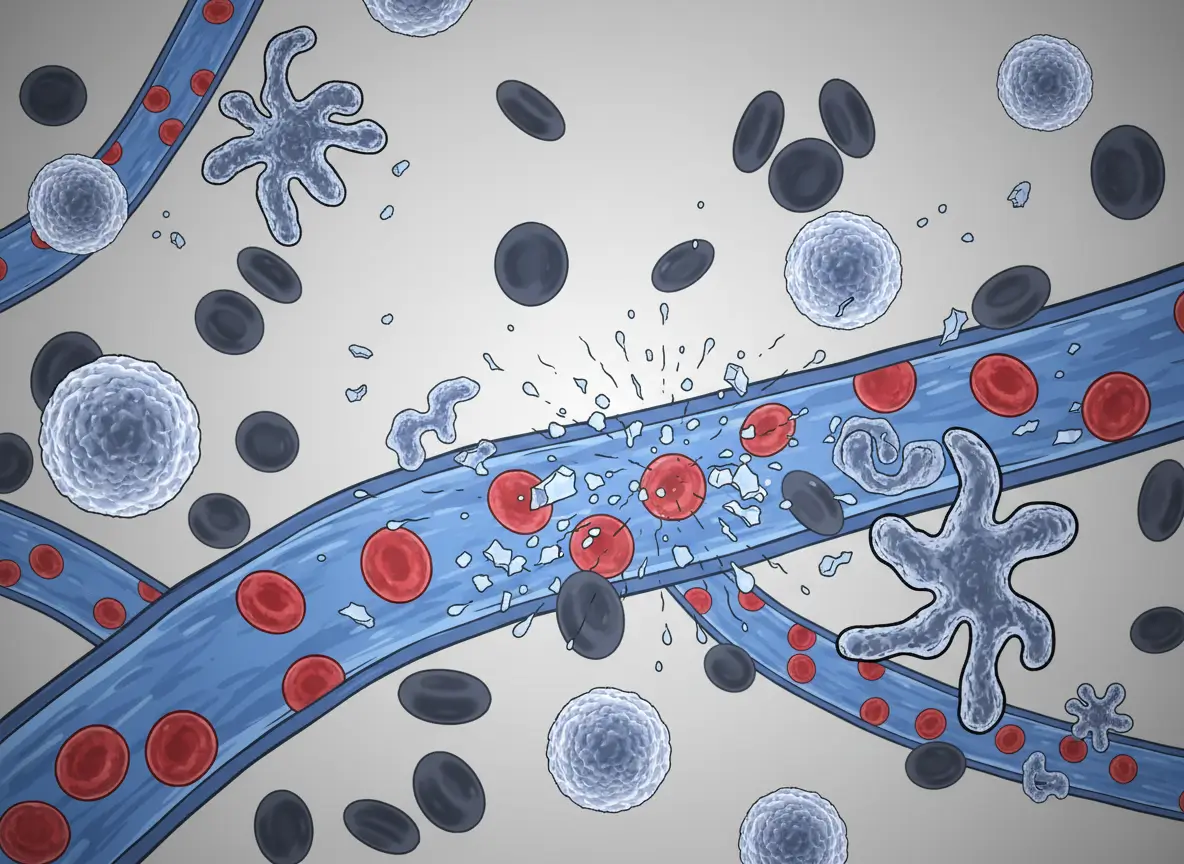
Hyperbaric Oxygen Therapy (HBOT) works by increasing the amount of oxygen your body absorbs and delivers to tissues, which is especially important during healing. Under normal atmospheric conditions, most oxygen in the body is carried by hemoglobin in red blood cells. However, when you breathe 100% oxygen at higher-than-normal atmospheric pressure (typically 1.5 to 3 times greater) oxygen dissolves directly into the plasma, cerebrospinal fluid, and other body fluids. This dramatically boosts the total amount of oxygen delivered to tissues, even those with limited blood flow due to swelling or surgical trauma.
This elevated oxygen saturation jump starts several essential healing processes. It fuels mitochondria (the energy-producing centers of cells), supports cellular repair, reduces inflammation, and enhances the body’s natural defenses against infection. In simple terms, HBOT helps your body do what it’s already trying to do—but faster, more efficiently, and with fewer complications.
Patients undergoing HBOT either sit or lie down in a hyperbaric chamber. This chamber may be a single-person, tube-like unit (called a monoplace chamber) or a larger, room-sized unit that accommodates multiple people (multiplace chamber). During the session, you’ll breathe 100% oxygen, typically delivered through a mask or hood, while the air pressure in the chamber is increased.
Each session usually lasts between 60 to 90 minutes, and most patients find the experience comfortable or even relaxing. Some describe the sensation of pressure in the ears—similar to the feeling during airplane taking off or landing—but this usually subsides quickly.
A typical course of HBOT for post-operative recovery consists of 5 to 20 sessions, depending on the type of surgery and how well the patient is healing. These sessions are usually spread over several days or weeks to provide the most benefit.
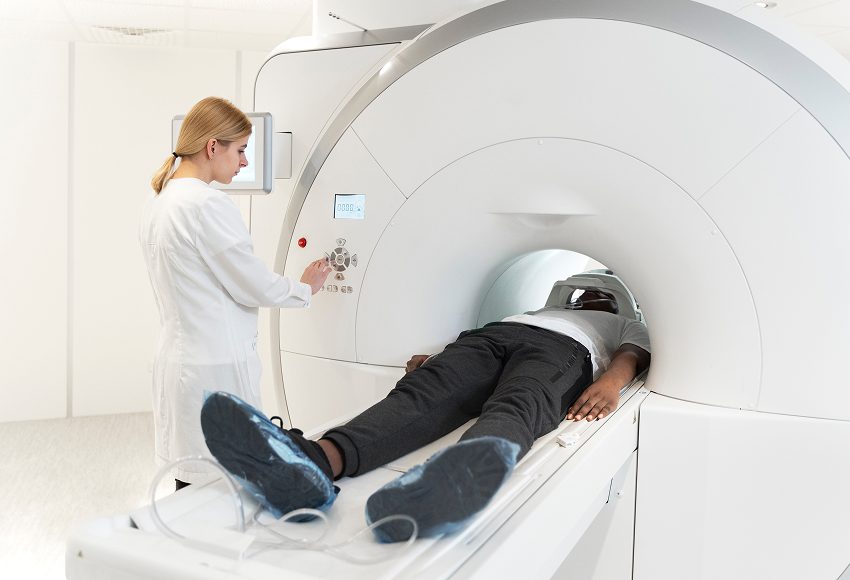
The effects of HBOT go beyond simply “more oxygen”—it sets out a cascade of biological responses that are key to effective and accelerated wound healing. Here are the primary mechanisms through which HBOT supports post-surgical recovery:
Angiogenesis (New Blood Vessel Formation):
HBOT stimulates the production of vascular endothelial growth factor (VEGF) and other signaling molecules that promote the development of new blood vessels. This is crucial for bringing oxygen and nutrients to healing tissues, especially in areas that may have been damaged or disrupted during surgery.
Fibroblast Activation:
Fibroblasts are specialized cells responsible for producing collagen and other components of the extracellular matrix. High oxygen levels enhance fibroblast activity, encouraging these cells to multiply and support tissue repair. This leads to stronger, more stable healing and better structural integrity of the skin and underlying tissues.
Enhanced Collagen Synthesis:
Collagen is the main protein involved in wound healing and scar formation. Oxygen is essential for the hydroxylation of proline and lysine—two amino acids necessary for stable collagen formation. HBOT significantly improves this process, resulting in firmer, more resilient tissue and improved surgical and cosmetic outcomes.
Reduction of Inflammation:
After surgery, inflammation is a natural response—but too much can delay healing and increase discomfort. HBOT reduces both local and systemic inflammation by suppressing pro-inflammatory cytokines and enhancing anti-inflammatory pathways. This can lead to less swelling, reduced pain, and quicker return to normal function.
Immune Function and Infection Control:
The high oxygen levels achieved during HBOT are directly toxic to many anaerobic bacteria (which thrive in low-oxygen environments). In addition, HBOT enhances the ability of white blood cells (leukocytes) to kill pathogens through oxidative mechanisms. This immune boost reduces the risk of post-surgical infections, a common complication in both elective and cosmetic surgeries.
Several clinical trials and case studies have demonstrated the eƯicacy of HBOT in enhancing wound healing in surgical recovery. Though HBOT’s use in elective surgery is relatively new compared to its use in chronic wounds, a growing body of scientific evidence supports its benefits.
Facelifts (Rhytidectomy): A case–control study published in 2023 assessed the efficacy of HBOT in facelift patients. Patients receiving HBOT experienced a significantly shorter wound healing duration (mean of 13.3 days) compared to the control group (mean of 36.9 days). The study concluded that HBOT may be a promising adjunctive therapy for patients undergoing facelift surgery.
Breast Surgeries: HBOT has been utilized to address complications such as mastectomy flap ischemia. In a case series involving 50 breasts with ischemic complications post-mastectomy, HBOT was employed to enhance tissue oxygenation and reduce edema. While the study highlighted the potential benefits of HBOT, it emphasized the need for further research to confirm its efficacy in preventing necrosis and reducing the need for additional surgeries.
Skin Grafts and Flaps: HBOT has demonstrated efficacy in improving the survival of compromised skin grafts and flaps. By enhancing oxygen delivery to hypoxic tissues, HBOT supports graft integration and reduces the risk of necrosis. Clinical studies have shown that HBOT can be particularly beneficial in cases where grafts are at risk due to compromised circulation.
In reconstructive procedures, especially those involving compromised tissue perfusion, HBOT has been employed to improve outcomes. A case series highlighted the use of HBOT in patients with ischemic soft tissue wounds following procedures like abdominoplasty and Mohs surgery. Patients undergoing HBOT showed remarkable improvements in wound healing, suggesting its utility as an adjunctive treatment in reconstructive surgery.
During a 2-year period, a clinical study including 42 patients with ear reconstruction complications reported that all patients received HBOT twice a day for 2 to 3 courses, and each course lasted for 10 days. Patients suffered from 4 different complications: hematoma (15), flap venous congestion (13), frame exposure (10), and postoperative infection (4). After HBOT, 41 patients recovered without a need for additional surgical repair.
While HBOT is more commonly associated with soft tissue healing, its application in orthopedic surgeries has been explored. Studies have indicated that HBOT can help reduce inflammation and promote healing in orthopedic procedures, such as joint replacements.

While not every patient needs HBOT, it can be especially beneficial for:
Many plastic and cosmetic surgeons now recommend HBOT as an add-on service to enhance recovery, particularly for high-profile clients who want to resume public life quickly.
Recovering from surgery (especially cosmetic or elective procedures) is about more than just speed. It’s about healing effectively, safely, and with optimal results. Hyperbaric Oxygen Therapy (HBOT) offers a powerful, scientifically supported pathway to enhance that recovery.
By dramatically increasing oxygen delivery to tissues, reducing inflammation, and accelerating the body’s natural healing processes, HBOT can help reduce swelling, minimize discomfort, and promote better surgical outcomes.
For patients seeking faster recovery, fewer complications, and enhanced overall results, HBOT may be a valuable addition to the post-operative care plan.
If you’re planning an elective or cosmetic surgery, consider speaking with your physician about whether HBOT is right for you. It may be the key to not only achieving beautiful results, but enjoying a smoother, more comfortable path to get there.
At University Orthopedic Care, we provide expert medical attention tailored to your needs, including access to cutting-edge treatments like Hyperbaric Oxygen Therapy. Schedule an appointment online or reach out to us at (866) 962-1744. Our board-certified specialists are here to discuss your options, explain the benefits and risks, and guide you through a personalized treatment plan designed to support your recovery from start to finish.