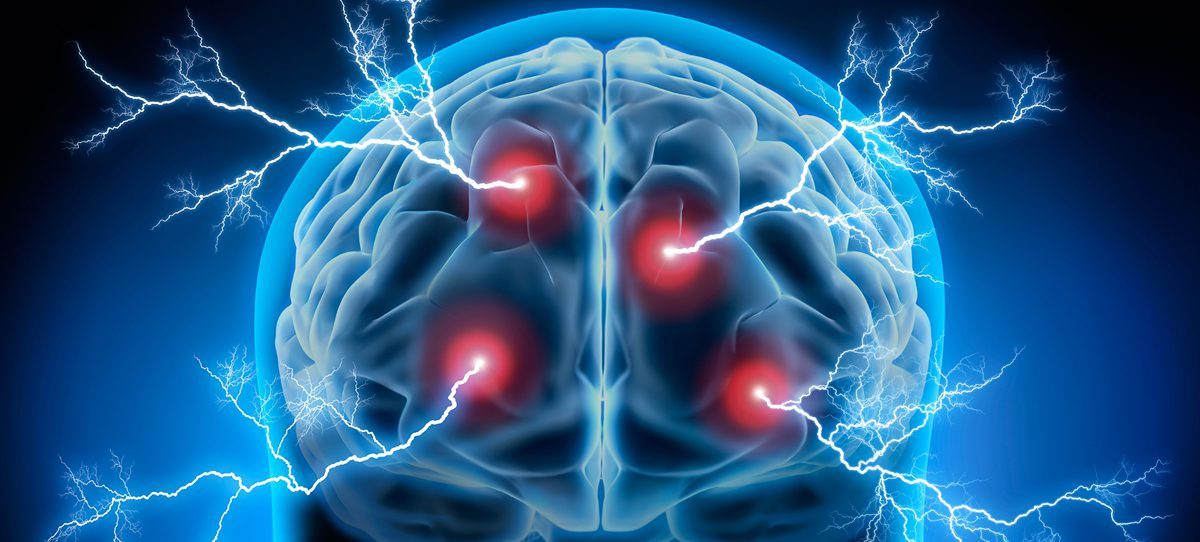
This article explores the intricate relationship between these two disorders, highlighting their shared symptomatology, overlapping pathophysiology, and the implications for accurate diagnosis, individualized management, and optimized patient outcomes.
Written by

Angel Rigueras
Pain Management Specialist
Share
Written by
Angel Rigueras
Pain Management Specialist
Share
Table of content
Related content
Migraine and concussion are two highly prevalent neurological conditions that, although differing in etiology—migraine being a primary headache disorder and concussion a mild traumatic brain injury—often present with overlapping clinical symptoms and share underlying pathophysiological mechanisms. This convergence necessitates careful, detailed diagnostic evaluations, particularly in athletic populations and individuals with a history of head trauma.
In recent years, heightened awareness of the consequences of repetitive head injuries (especially in contact sports) has drawn renewed attention to post traumatic headaches (PTH), one of the most common and persistent symptoms following concussion. PTH has many overlapping migraine symptoms, with hallmark features including throbbing pain, photophobia, phonophobia, and nausea. Studies suggest that up to 95% of individuals experience headaches following a concussion, with approximately two-thirds displaying migraine-like characteristics. This clinical overlap has significant implications for return to-play decisions and long-term neurological health.
While PTH is categorized as a secondary headache disorder, many athletes and patients may also suffer from pre-existing or concurrent primary headache disorders, particularly migraines. The presence of a pre-injury migraine history may influence susceptibility to concussion, prolong recovery, and exacerbate post-injury symptoms. Conversely, unrecognized or misdiagnosed migraine in the post concussive period can lead to suboptimal treatment strategies and unnecessary restrictions on activity. Similarly, misclassifying PTH as a primary migraine may increase the risk of repeated head trauma and its associated complications.
Given the substantial clinical and functional impact of both conditions, a nuanced understanding of the interaction between migraine and concussion is essential for clinicians, researchers, and athletic healthcare providers.
Concussion, a form of mild traumatic brain injury (mTBI), results from biomechanical forces that cause transient neurological dysfunction. Common symptoms include headache, confusion, dizziness, visual disturbances, cognitive impairment, mood changes such as depression and anxiety, and sleep disturbances. This is referred to as Post Concussion Syndrome (PCS).
Migraine, in contrast, is a chronic and often disabling primary headache disorder characterized by recurrent episodes of moderate to severe head pain. These episodes are frequently accompanied by nausea, vomiting, photophobia, and phonophobia. The pathophysiology of migraine involves complex neurovascular processes, including cortical spreading depression, activation of the trigeminovascular system, and release of inflammatory neuropeptides such as calcitonin gene-related peptide (CGRP). Genetic predisposition and a wide range of internal and external triggers—including stress, hormonal changes, sleep disruption, and environmental stimuli—contribute to the development of migraine attacks. Notably, many of these triggers are commonly encountered by athletes and individuals with active lifestyles.
Primary headache disorders, like migraine, occur in the absence of an identifiable structural cause and are typically diagnosed based on clinical criteria. Secondary headaches, such as post-traumatic headache (PTH), arise in response to an identifiable event, most commonly traumatic brain injury. By definition, PTH has a temporal relationship to head trauma and shares many clinical features with migraine, including throbbing pain, sensitivity to light and sound, and nausea.
Growing evidence suggests that migraine and PTH may share overlapping pathophysiological mechanisms. For example, both involve activation of the trigeminovascular system and central sensitization, with concussive and repetitive head impact exposure triggering neuroinflammatory cascades. These include astrogliosis in the central trigeminal system and increased expression of glial fibrillary acidic protein (GFAP), indicative of glial activation and neural stress. Furthermore, individuals with a history of migraine may have an inherently increased susceptibility to Post concussion syndrome and may be more likely to develop persistent or refractory post-concussive symptoms.
Epidemiological data indicate that post-traumatic headaches are more prevalent following mild TBI than moderate or severe TBI, potentially due to greater survivorship and underestimation of symptoms in more severe cases. The frequency and severity of PTH are also higher in individuals with pre-existing primary headache disorders, especially migraine. In the context of sports, approximately 1.6 to 3.8 million sport-related concussions (SRCs) occur annually in the United States. Headaches are reported in up to 94% of athletes following SRC, making it one of the most common acute and persistent symptoms.
Given the high prevalence of headaches following concussion and the clinical overlap between migraine and PTH, it is critical that sports medicine clinicians, neurologists, and other healthcare providers are equipped to accurately distinguish between headache types. Prompt recognition, classification, and individualized treatment are essential to minimize risk, optimize recovery, and facilitate safe return-to-play decisions.
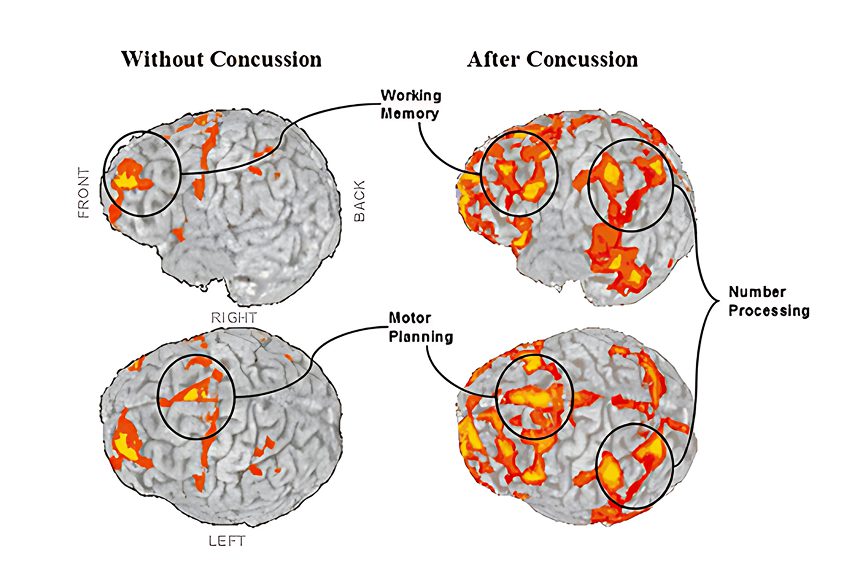
Post-traumatic headache (PTH) is a common sequela of traumatic brain injury (TBI), including concussion, and can manifest with a wide range of clinical phenotypes. Among the most frequently observed are migraine-like and tension-type headache presentations. Migraine-like PTH is often characterized by unilateral throbbing or pulsating pain, photophobia, phonophobia, nausea, and worsening with physical activity—symptoms that closely resemble those of primary migraine. These headaches can persist for weeks, months and even years post-injury, significantly impairing quality of life, daily functioning, and return-to-activity timelines, particularly in athletes and military personnel.
In a retrospective cohort study of 64 active-duty service members, the most prevalent PTH phenotype reported was a mixed continuous headache with migrainous features, suggesting that chronicity and symptom complexity are common in this population. Another study involving veterans with deployment related TBI found that 91.8% experienced migrainous headaches as part of their post-trauma symptomatology, with 64.7% reporting migraine with aura, indicating a high burden of severe and neurologically complex headaches in TBI survivors.
Understanding the quality and characteristics of PTH is critical not only for accurate diagnosis and effective treatment but also for advancing our understanding of the underlying pathophysiology. Headache features such as throbbing or pulsating pain support the involvement of vascular and neuroinflammatory pathways, which are also implicated in primary migraine pathogenesis.
A distinct subgroup of individuals develops post-traumatic migraine (PTM)—defined as the onset of recurrent, debilitating migraine attacks following a concussion in those with or without a prior history of migraine. PTM may represent a phenotype of PTH with enhanced central sensitization and altered pain modulation, often requiring specialized and multidisciplinary approaches to care.

Emerging evidence suggests that individuals with a history of migraine may be at increased risk for developing post-concussion syndrome and may experience prolonged recovery periods.
Migraineurs may have underlying neurological vulnerabilities, such as heightened cortical excitability and impaired sensory processing, making them more susceptible to the effects of head trauma. Additionally, migraine-related vestibular dysfunction can increase the risk of falls and subsequent concussions.
Individuals with pre-existing migraines are more likely to develop persistent post-concussion symptoms, including chronic headaches, cognitive deficits, and mood disturbances. The overlapping pathophysiology between migraine and concussion may contribute to this prolonged recovery.
The development of migraine-like PTH involves several pathophysiological processes:
∙ Neuroinflammation: Concussion induces an inflammatory response in the
brain, activating glial cells and releasing cytokines, which can sensitize
nociceptive pathways.
∙ Trigeminal System Activation: Injury can activate the trigeminovascular
system, leading to the release of vasoactive peptides and subsequent
headache pain.
∙ Cortical Spreading Depression: This wave of neuronal and glial depolarization can be triggered by brain injury, contributing to migraine aura and headache.
∙ Serotonergic Dysfunction: Alterations in serotonin levels post-injury can disrupt pain modulation, facilitating migraine development.
Differentiating between migraine and PTH can be challenging due to overlapping symptoms. Accurate diagnosis is essential for effective management.
Clinical Assessment
A thorough patient history and symptom chronology are vital. Clinicians should assess the onset, duration, and characteristics of headaches, as well as associated symptoms and triggers.
Diagnostic Criteria
The International Classification of Headache Disorders provides criteria for diagnosing PTH, emphasizing the temporal relationship between head injury and headache onset.
Management Strategies
Treatment approaches for migraine and post-traumatic headache (PTH) share several similarities but must be carefully tailored to the individual patient, taking into account the specific characteristics, triggers, and comorbidities present. Due to the complex interplay between migraine and concussion-related symptoms, a multidisciplinary approach is often essential. Optimal patient outcomes are best achieved through coordinated care involving neurologists, psychologists, physical therapists, pain specialists, and other healthcare professionals, who collectively address the neurological, psychological, and functional aspects of recovery.
Pharmacological Interventions:
∙ Acute Treatments: Nonsteroidal anti-inflammatory drugs (NSAIDs), triptans, and antiemetics can be used for acute headache relief.
∙ Preventive Therapies: For chronic cases, medications such as beta blockers, antiepileptics, and antidepressants may be considered.
Non-Pharmacological Therapies:
∙ Cognitive Behavioral Therapy (CBT): CBT can help manage associated mood disorders and stress, which may exacerbate headaches.
∙ Physical Therapy: Addressing cervical spine issues and promoting physical activity can aid recovery.
∙ Lifestyle Modifications: Regular sleep, hydration, and stress management are crucial components of treatment.
For individuals who experience persistent or severe post-traumatic headaches (PTH), especially after a concussion, interventional or procedural treatments may be necessary when relief with standard medications or therapies are not sufficient. One of the most commonly used procedures is the peripheral nerve block.
Peripheral nerve blocks involve injecting a small amount of local anesthetic around specific nerves in the head or neck that are involved in transmitting pain signals. The goal is to temporarily “turn off” these pain pathways and reduce inflammation, which can relieve headache symptoms. This is especially helpful in cases where pain persists despite medication or physical therapy.
The most commonly targeted peripheral nerves include:
∙ Greater and lesser occipital nerves (located at the back of the head and
derived from the upper neck),
∙ Supraorbital and supratrochlear nerves (found near the forehead and
eyebrows),
∙ Auriculotemporal nerve (near the temples),
∙ Sphenopalatine ganglion (deep within the head, behind the nose).
These nerves are connected to either the trigeminal nerve (a key nerve in facial sensation and migraine pain) or the upper cervical spinal nerves (in the neck), which often become irritated after head trauma. Injuries that involve sudden neck movements—such as in motor vehicle accidents or sports-related concussions—can trigger or worsen headaches by affecting these nerve pathways.
A clinical study on adolescents suffering from post-traumatic headaches found that 93% of patients reported significant relief after receiving targeted nerve blocks in areas where they felt the most tenderness. The nerves most often treated were the greater occipital nerve, and in some cases, the lesser occipital or supraorbital nerves. Many patients experienced sustained benefits for more than 24 hours, and some requested repeat treatments due to the positive effects.
Another procedural treatment showing promise is the use of botulinum toxin injections (commonly known by the brand name Botox). While many people associate Botox with cosmetic procedures, it is also approved for treating chronic migraines and works by blocking the transmission of pain signals in the nerves. When injected into specific areas of the scalp and neck, botulinum toxin can help reduce muscle tension and nerve irritation.
The first report of using botulinum toxin to treat post-traumatic headache came in 2002, and since then, additional studies have shown its effectiveness. For example, a 2015 study on 64 active-duty military personnel with chronic PTH (similar to migraine) found that botulinum toxin A injections significantly improved daily functioning and quality of life.
The relationship between migraine and concussion is complex and deeply intertwined, marked by overlapping symptoms, shared pathophysiological mechanisms, and significant effects on patient outcomes. Understanding and addressing this interplay is essential for accurate diagnosis, effective treatment, and long-term quality of life.
If you have recently experienced a concussion and are suffering from frequent or worsening headaches, it’s time to consult with our neurology department at University Orthopedic Care. Our comprehensive Concussion Program brings together a multidisciplinary team of specialists—including neurology, neuropsychology, neurosurgery, physiatry, physical therapy, and sports medicine—to provide personalized, evidence-based care tailored to each patient’s unique needs.
Our experts work collaboratively to guide your recovery journey, ensuring you receive the right care at the right time. Early evaluation and intervention can significantly improve outcomes and help prevent long-term complications.
To learn more or to schedule an appointment, visit our Concussion Program Page or contact us here, or call us directly at (866) 961-1744.