In this article, we explore how concussions and TBIs can lead to anxiety disorders, identify key risk factors, summarize the latest scientific findings, and discuss promising approaches for prevention and treatment. Drawing on data from large cohort studies, neuroimaging, and clinical observations, we aim to provide a clear, evidence-based overview of this critical and growing public health concern.
Written by

Angel Rigueras
Pain Management Specialist
Share
Written by
Angel Rigueras
Pain Management Specialist
Share
Table of content
Related content
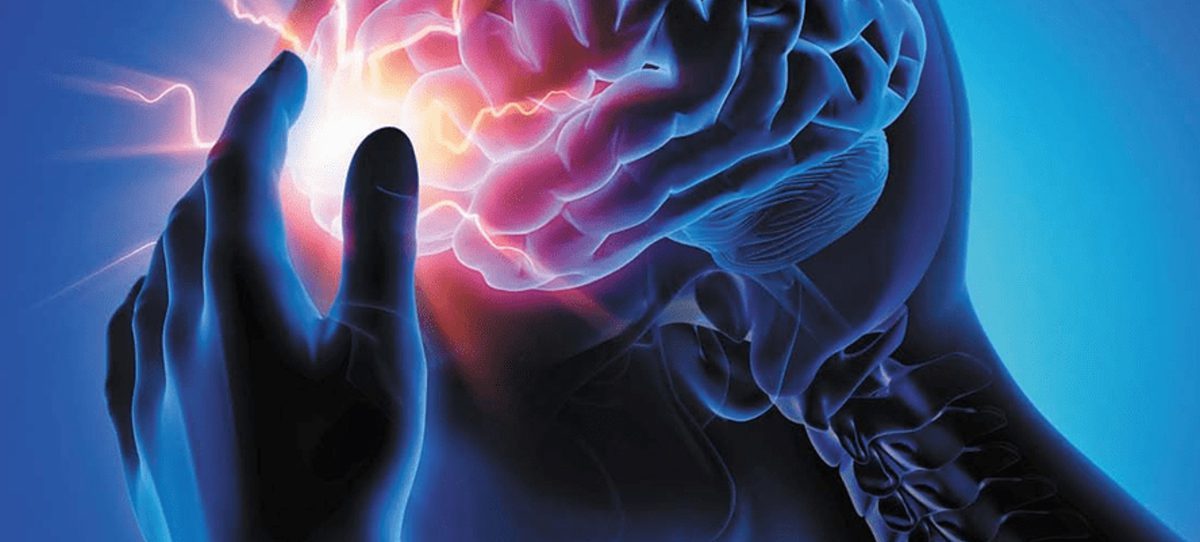
Concussions and other forms of traumatic brain injury (TBI) are often viewed through the lens of physical symptoms such as headaches, dizziness, fatigue, and balance issues. However, mounting scientific evidence shows that the psychological aftermath, particularly anxiety, can be just as debilitating and long lasting. For many individuals, especially young people and athletes, anxiety symptoms may emerge soon after injury or persist long after the physical wounds have healed, representing an invisible yet powerful burden on recovery.
Affective symptoms—especially anxiety—are now recognized as a critical, yet frequently overlooked, aspect of concussion recovery. These symptoms not only impact emotional well-being but may also serve as modifiable risk factors that influence the duration and quality of recovery. Just as clinicians routinely assess vestibular, visual, and cognitive impairments post-concussion, early identification and management of anxiety and mood symptoms could significantly enhance recovery outcomes.
Emerging research supports a strong correlation between anxiety and overall symptom burden following concussion. Individuals, particularly athletes, who report anxiety or depressive symptoms, often perform worse on neurocognitive tests involving attention and processing speed and tend to experience longer recovery times and delayed return-to-play. In pediatric populations, studies indicate that preexisting anxiety or emotional distress may predispose youth to more severe symptoms and extended recovery trajectories following concussion.
Despite the growing prevalence of both concussion and anxiety disorders (affecting an estimated 20% of children and adolescents respectively by age 16) only 5–15% of young people receive appropriate mental health services. This stark gap underscores the urgency of integrating mental health assessment into standard concussion care.
A concussion, medically known as a mild traumatic brain injury (mTBI), is defined as a traumatically induced transient disturbance of brain function. It typically results
from a blow or jolt to the head or body that causes the brain to move rapidly within the skull. While the term “mild” reflects the absence of overt structural damage on standard imaging and usually a brief or absent loss of consciousness, the functional impact on the brain can be significant and long-lasting.
According to the World Health Organization (WHO), head trauma is described as an acute brain injury resulting from external physical forces. Traumatic brain injury remains a major cause of death and disability globally, affecting an estimated 50 million people annually. Mild TBI is the most prevalent subtype, accounting for approximately 90% of all TBI cases.
Clinical Classification of Mild TBI: Mild TBIs are commonly classified using:
∙ Glasgow Coma Scale (GCS) score between 13 and 15, ∙ Post-Traumatic Amnesia (PTA) lasting up to 24 hours, ∙ Loss of Consciousness (LOC) lasting up to 30 minutes.
Beyond these criteria, clinicians are advised to consider additional indicators when evaluating for mTBI:
∙ Alteration in mental status (e.g., confusion or disorientation),
∙ Transient focal neurological deficits,
∙ New-onset headache or vestibular symptoms,
∙ Behavioral changes,
∙ Temporary visual disturbances.
Even in the absence of obvious structural damage, mild TBIs can lead to disruptions in brain connectivity, neurotransmitter imbalance, and neuroinflammation, all of which can impair regions responsible for mood regulation, memory, and emotional processing—contributing to the development of anxiety and other psychiatric symptoms.

Anxiety disorders are among the most prevalent psychiatric conditions globally, with a profound impact on individual well-being and public health systems. In the United States, they affect approximately 12.7% of the population at any given time. Earlier data from the 2004 National Comorbidity Survey reported a 12-month prevalence of 21% and a lifetime prevalence of 34%, underscoring the chronic and widespread nature of these disorders.
Anxiety disorders are characterized by excessive fear, worry, or behavioral disturbances that are disproportionate to the actual threat and significantly impair daily functioning. They are frequently associated with increased healthcare utilization, reduced quality of life, and diminished occupational and social functioning.
Among the most common subtypes are:
Anxiety disorders disproportionately affect women, with a lifetime prevalence of 40% in women versus 26% in men.
In terms of global disease burden, anxiety disorders are second only to depression, contributing to an estimated 26,417 years lived with disability (YLDs). Economically, they result in a loss of approximately 4.6 workdays per month, translating into over $4 billion in workplace costs annually.

Anxiety is one of the most prevalent mental health issues after TBI. According to population-based studies, approximately 25% to 50% of individuals with a concussion or TBI develop symptoms of anxiety, with many meeting the criteria for generalized anxiety disorder (GAD), panic disorder, or post-traumatic stress disorder (PTSD).
These symptoms often emerge within weeks or months post-injury but can persist for years. Unfortunately, they are frequently underdiagnosed, either attributed to the “normal” stress of recovery or mistaken for cognitive symptoms of the brain injury itself.
Several overlapping mechanisms may explain why anxiety often follows a brain injury:
Neuroinflammation and Neurochemical Imbalance
TBI induces neuroinflammation, which can disrupt neurotransmitter systems— especially serotonin, dopamine, and GABA—that regulate mood and arousal. These imbalances can lead to heightened fear responses and difficulty managing stress.
Damage to Brain Structures
Injury to the amygdala, prefrontal cortex, or hippocampus—key regions involved in emotion and memory—can impair emotional regulation and enhance anxiety sensitivity. Functional MRI studies show reduced connectivity between these regions in TBI patients with anxiety.
Psychological and Behavioral Factors
TBI can undermine a person’s confidence, identity, and independence. Chronic pain, memory problems, or difficulties returning to work or school often fuel anxiety. The fear of “not getting better” can spiral into persistent worry and avoidance behaviors.
PTSD and Traumatic Contexts
Since TBIs occur in traumatic settings—such as car crashes, falls, or violent incidents, individuals may simultaneously develop PTSD, which shares many features with anxiety. Flashbacks, hypervigilance, and emotional numbness can co-occur with or exacerbate TBI symptoms.
The ABC-TBI Cohort: Anxiety Trajectories Post-Injury
One of the most comprehensive studies on this topic, analyzed data from the Advancing Brain Connectivity-TBI (ABC-TBI) cohort. This multi-center study tracked over 1,000 TBI patients to examine patterns of psychiatric symptoms.
Finding that, Two-thirds of participants exhibited moderate to high anxiety levels in the first six months after injury. One-third developed persistent anxiety symptoms that lasted more than a year, and analysis with Brain imaging revealed disruptions in the default mode network (DMN) and salience network—areas involved in self-awareness and emotional regulation—among those with chronic anxiety. Those with pre-injury mental health issues were more likely to develop persistent anxiety, suggesting a compounding effect.
Importantly, the study demonstrated that anxiety following TBI is not simply a reaction to the trauma—it is linked to measurable functional changes in the brain, reinforcing the biological underpinnings of the disorder.
Large-Scale Veteran Study on Anxiety Risk
Another significant contribution came from a 2021 study of U.S. veterans, which examined over 4,000 service members with and without TBI.
Key Insights:
This study underscores the long-term psychiatric vulnerability following TBI and highlights the need for early mental health screening and intervention, especially in high-risk populations like veterans.
Youth are particularly vulnerable to both TBIs and the subsequent development of psychiatric disorders. A 2023 meta-analysis synthesized data from 36 studies examining anxiety outcomes in children and adolescents with TBI.
Findings: Children with moderate-to-severe TBIs were significantly more likely to develop anxiety disorders than their non-injured peers. The onset of anxiety often occurred within 6 months, but many cases persisted for over two years. Family support and pre-injury functioning played critical roles in recovery outcomes.
Diagnosing anxiety after TBI can be difficult, as symptoms often overlap with other post-concussive complaints like irritability, fatigue, or cognitive fog. Additionally, TBI patients may underreport emotional symptoms, fearing stigma or focusing solely on physical recovery.
Recommended Evaluation Tools are:
Effective treatment for anxiety after TBI must address both the neurological injury and the psychological consequences. A personalized, integrative approach is key.
Psychotherapy
Medication
Lifestyle and Rehabilitation
Social and Vocational Support
Anxiety following a concussion or traumatic brain injury (TBI) is a common yet frequently underrecognized consequence of head trauma. It arises from a complex interplay of neurobiological changes (such as disrupted neurotransmission, altered brain connectivity, and neuroinflammation) as well as the psychological stress of the injury itself. These factors can profoundly affect emotional well-being, cognition, and quality of life, even when the injury is classified as “mild.”
The good news is that post-TBI anxiety is highly treatable. With timely recognition, accurate diagnosis, and integrated care, individuals can make meaningful recoveries, not just physically, but emotionally and mentally. Addressing mental health after brain injury is not optional; it is an essential component of true recovery.
Optimal outcomes often require a multidisciplinary approach, involving neurologists, psychiatrists, psychologists, and rehabilitation specialists working together to tailor treatment plans to each patient’s unique needs.
At University Orthopedic Care, our specialized Concussion Program provides access to a comprehensive team of experts consists by board-certified professionals in Neurosurgery, Orthopedic Surgery, Neuropsychology, and Physiatry (Physical Medicine and Rehabilitation) dedicated to managing both the physical and psychological aspects of concussion and TBI.