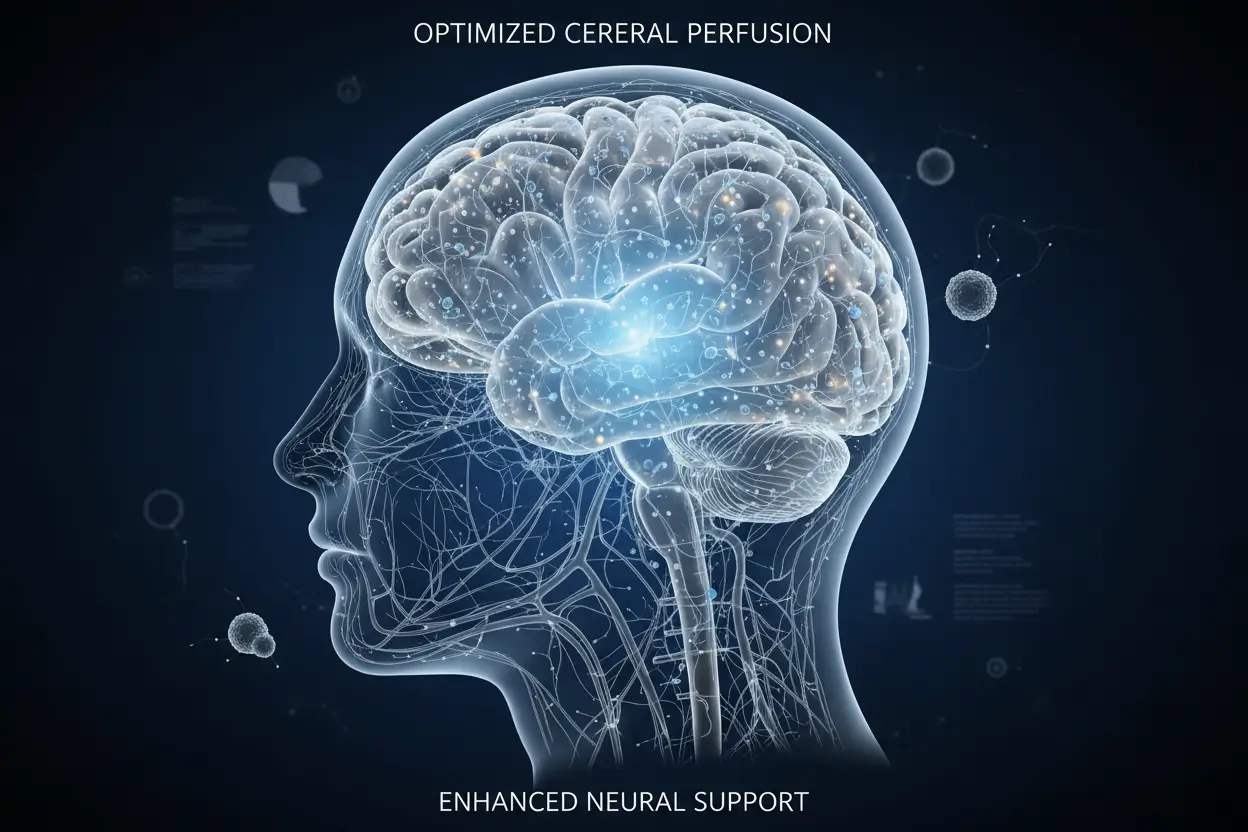
These are common symptom clusters that often travel with TBI and concussion recovery. Each one can be addressed within a comprehensive plan, and HBOT may be one supportive tool depending on your case.
Headaches after TBI
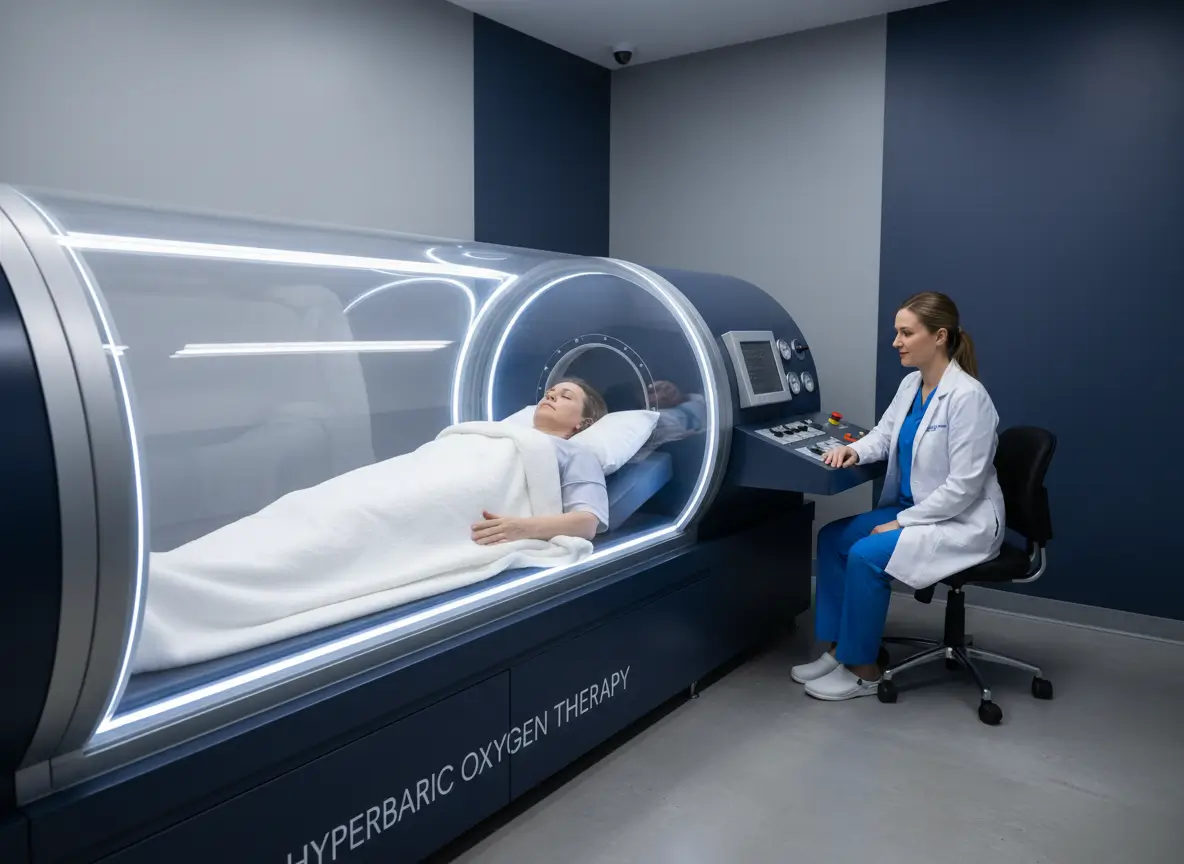
Post traumatic headaches are one of the most common lingering symptoms. They can behave like migraine (throbbing pain, nausea, light or sound sensitivity), tension type headache (tight, band like pressure), or cervicogenic headache (head pain driven by neck injury and muscle tension). Common triggers include poor sleep, screen time, dehydration, stress, and unrecognized neck or vestibular problems. HBOT may be considered as a supportive option for selected patients because higher oxygen delivery may help calm a stressed healing environment after injury. Patients tend to do best when HBOT is paired with a clear headache plan that also addresses hydration, nutrition, neck rehabilitation, and trigger management.
Want to know if HBOT is for you?
Sleep problems after TBI
Sleep disruption after concussion can show up as insomnia, frequent waking, vivid dreams, or a shifted sleep schedule. When sleep quality drops, other symptoms often worsen, including headaches, mood changes, pain sensitivity, and concentration. HBOT may support recovery for some patients by improving oxygen availability to tissues under stress and helping reduce the physiologic strain that can keep the nervous system on high alert. In practice, the strongest results usually happen when HBOT is combined with a structured sleep plan that includes consistent sleep timing, reduced evening stimulation, and targeted support for anxiety, pain, or dizziness that may be interfering with rest.
Want to know if HBOT is for you?
Chronic fatigue and brain fog
Post TBI fatigue is often a mismatch between what your brain needs and what your day demands. It can feel like a low battery, quick mental exhaustion, slower processing speed, reduced multitasking ability, and trouble finding words or staying focused. This pattern can be driven by disrupted sleep, headache burden, autonomic imbalance, and the brain working harder to do tasks that used to be automatic. HBOT is being studied for persistent symptoms because improved oxygen delivery may support the brain’s recovery environment and energy use. Patients who respond often describe steadier stamina and clearer thinking over time, especially when HBOT is paired with pacing strategies, gradual return to activity, and cognitive rehabilitation.
Want to know if HBOT is for you?
Balance problems and dizziness
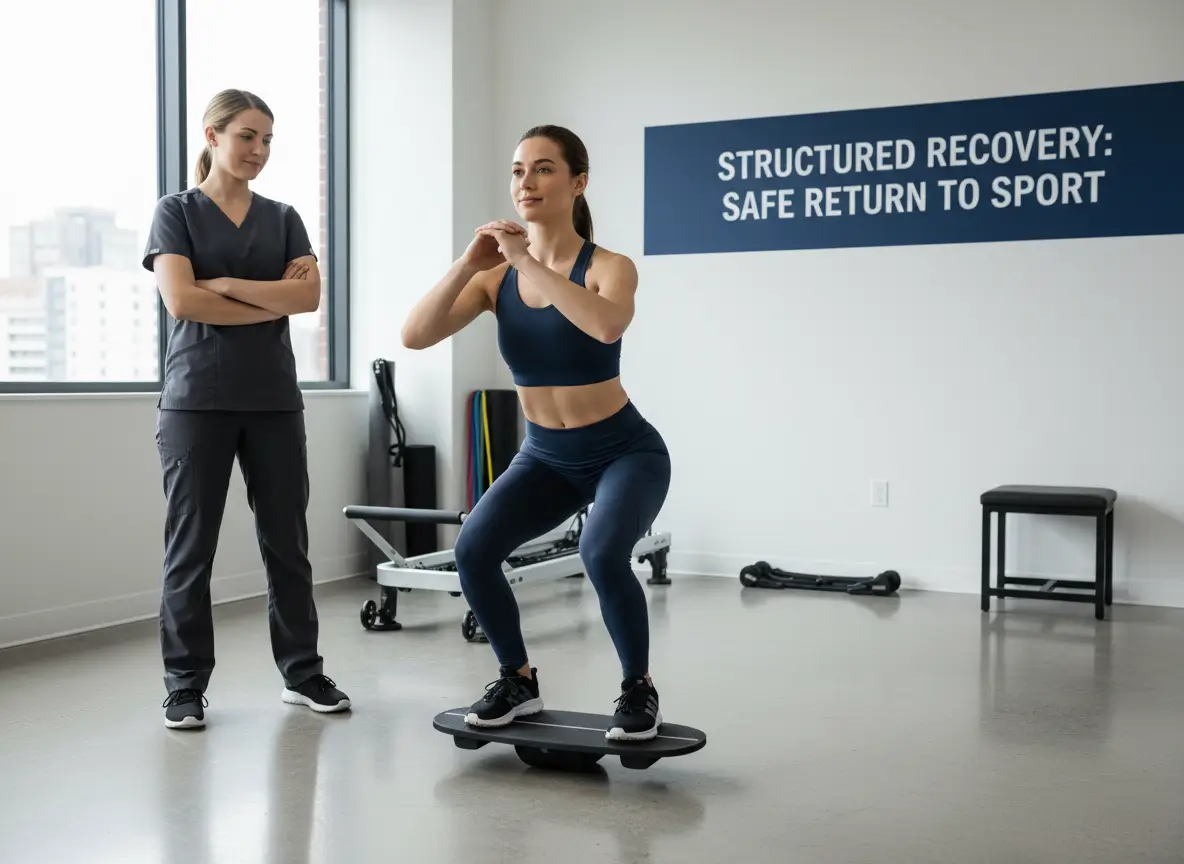
Dizziness after TBI is frequently related to vestibular dysfunction (inner ear balance), visual tracking issues, cervical strain, or the brain struggling to integrate balance signals from the eyes, inner ear, and body. Symptoms can include spinning, rocking, unsteadiness, motion sensitivity, and difficulty in busy visual environments. HBOT may support overall recovery for selected patients by improving oxygen availability and reducing physiologic stress, but dizziness and balance issues typically improve most with active treatment. Pairing HBOT with vestibular rehabilitation and targeted physical therapy is often the most practical approach.
Explore UIC’s Vestibular Rehabilitation Program for dizziness, balance problems, and motion sensitivity after concussion or TBI.
Want to know if HBOT is for you?
Chronic pain after TBI
Chronic pain after a brain injury often has multiple layers. There can be tissue injury from the event itself (neck, jaw, back), persistent headaches, and a nervous system that becomes more sensitive to pain signals over time (sensitization). Poor sleep and ongoing stress can amplify this cycle. HBOT is sometimes used as a supportive therapy in broader recovery plans because improved oxygen delivery can help tissues recover and may support inflammatory regulation in selected cases. The best outcomes usually come when HBOT is combined with movement based rehabilitation, sleep support, and a plan for pain skills plus gradual reconditioning.
Emotional changes after TBI
Emotional symptoms are common and real after a concussion or TBI. Anxiety, irritability, low mood, and feeling overwhelmed can reflect changes in brain networks involved in mood and attention, and they are also strongly influenced by sleep disruption, chronic symptoms, and the stress of not feeling like yourself. HBOT may indirectly support emotional steadiness in some patients as sleep, headaches, and fatigue improve, which lowers overall symptom load. Most patients still benefit from direct support, such as counseling, coping skills training, and strategies that calm the nervous system and rebuild confidence during recovery.
Want to know if HBOT is for you?
Benefits of treating TBI with HBOT Therapy
When we treat TBI recovery as a whole, the goal is not just symptom reduction. It is getting you back to your normal life.
Common benefits reported by patients:
- Fewer symptom days (headaches, dizziness, nausea, light sensitivity)
- Better sleep and a more consistent daily rhythm
- Improved focus and memory for work, school, and daily responsibilities
- More energy and stamina without crashing
- Greater balance and confidence during movement
- Better mood stability and stress tolerance
Profile of a patient who could benefit from HBOT
You may be a good candidate to explore HBOT as part of your recovery plan if:
- You had a concussion or TBI and your symptoms are still affecting your daily life beyond the early recovery period
- You have tried standard supports (rest, graded return to activity, rehabilitation, sleep and headache care) but you are not where you want to be
- Your symptoms include a mix of headaches, fatigue, sleep disruption, brain fog, dizziness, or mood changes
- You want a medically guided plan and are open to combining HBOT with rehabilitation and lifestyle based supports
Want to know if HBOT is for you?
Emotional changes after TBI
Relevant points to consider
- HBOT works best as part of a personalized recovery plan, not as a stand alone solution.
- The number of sessions varies. Many protocols used in research and clinical programs involve multiple sessions over several weeks.
- Safety matters. A medical screening helps confirm whether HBOT is appropriate for you.
Ready for a clear plan? Call (866) 961-1744 to schedule a consultation, or contact us to request an evaluation.
We will review your symptoms, timeline, and goals, then explain whether HBOT will be of benefit for your case and what a realistic treatment plan could look like.