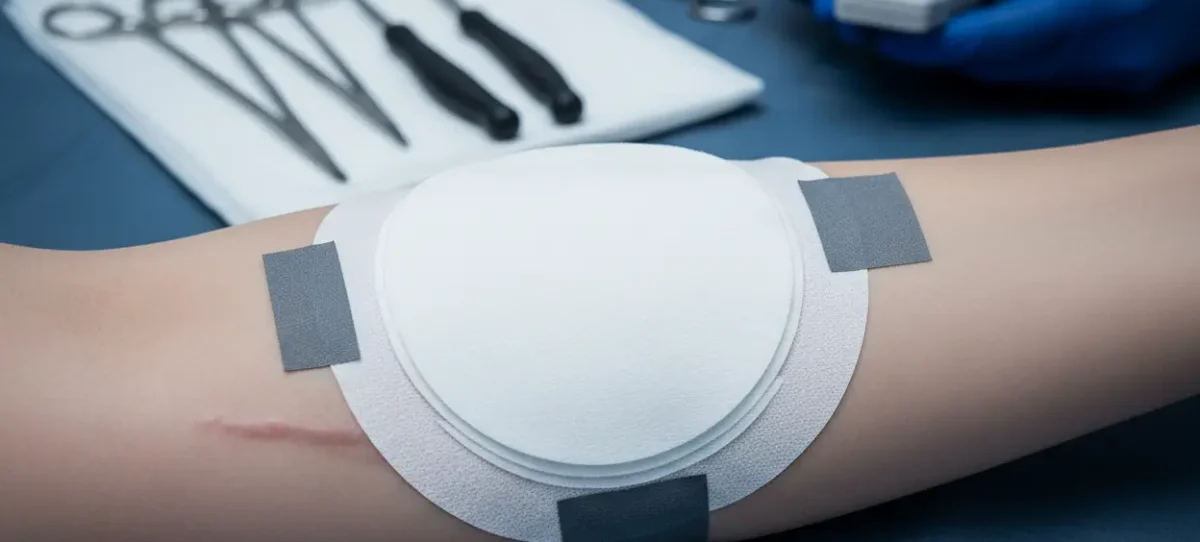
Surgery seeks to solve a problem in the first instance, but its recovery can be affected by factors like circulation, swelling, infection risk, diabetes, prior radiation therapy, or tissue that is already fragile. Even with excellent surgical technique, some patients face complications such as delayed healing, wound breakdown, or tissue at risk.
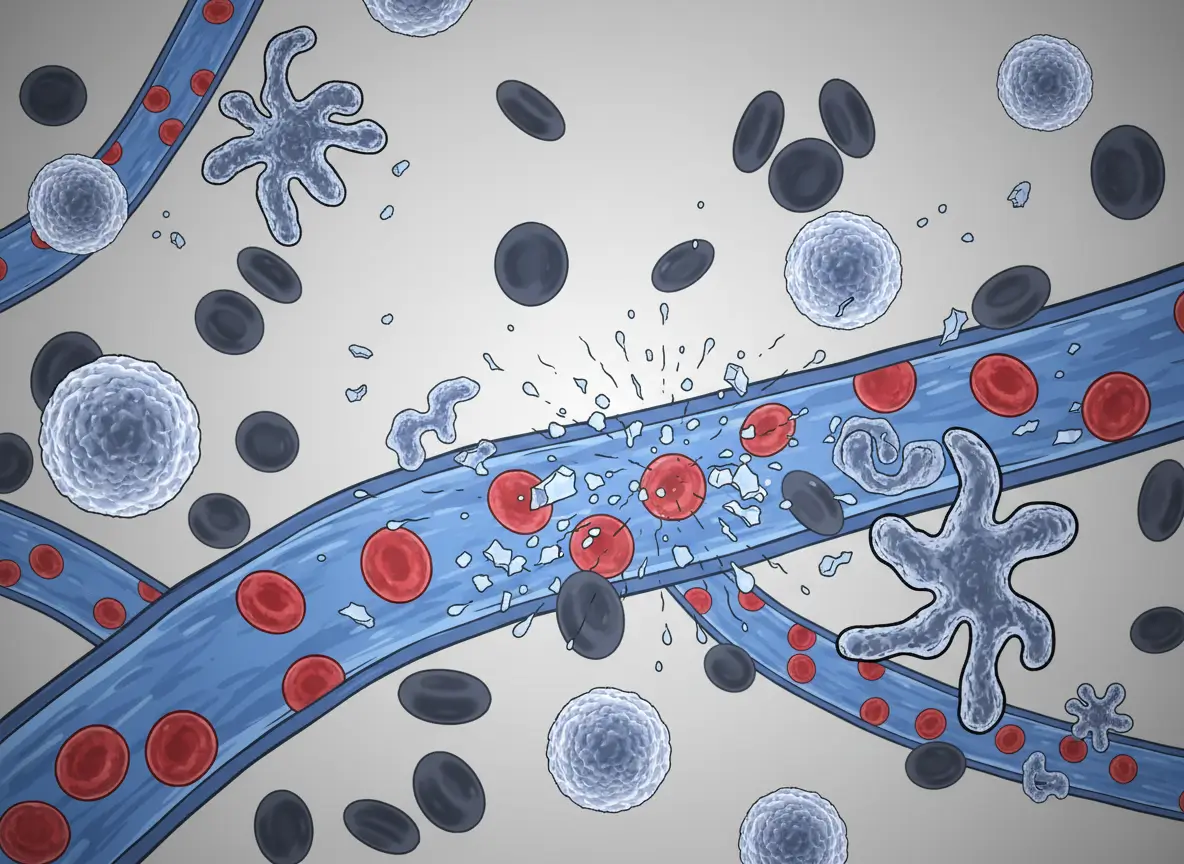
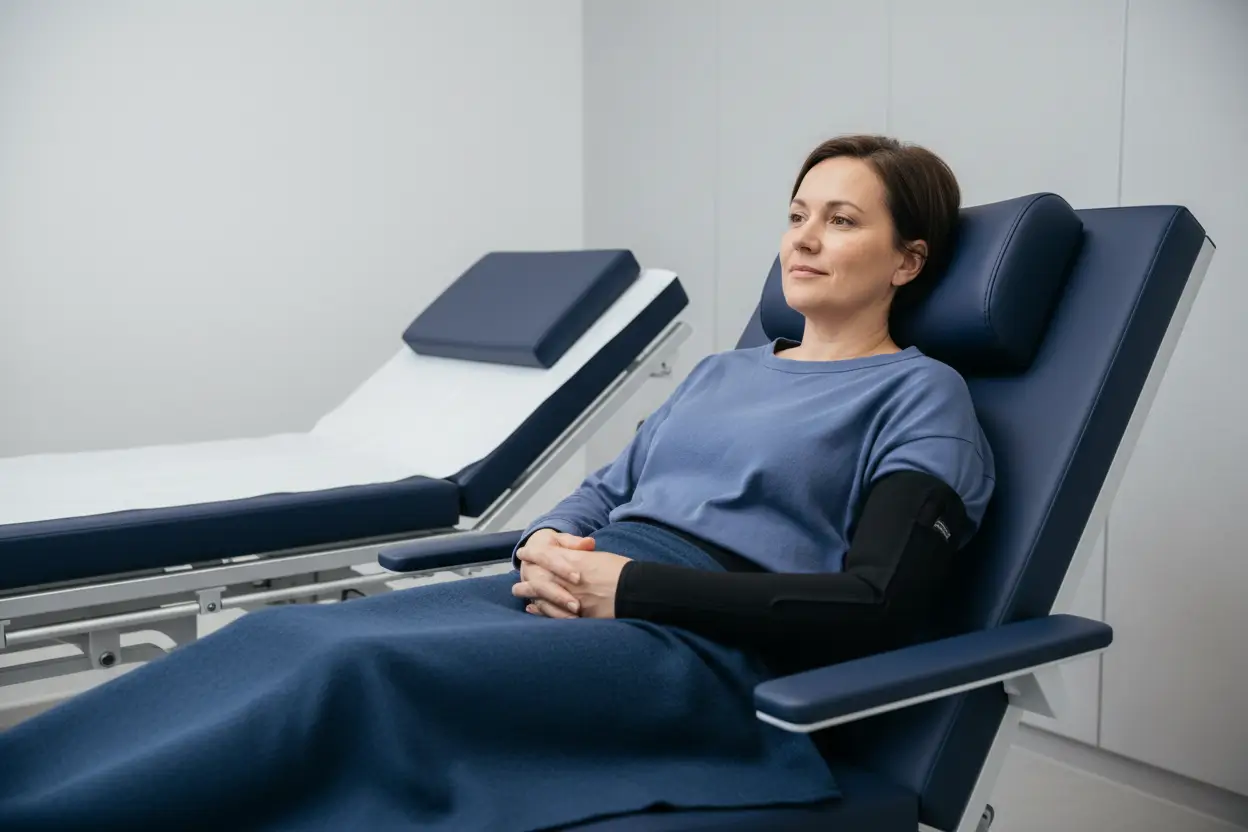
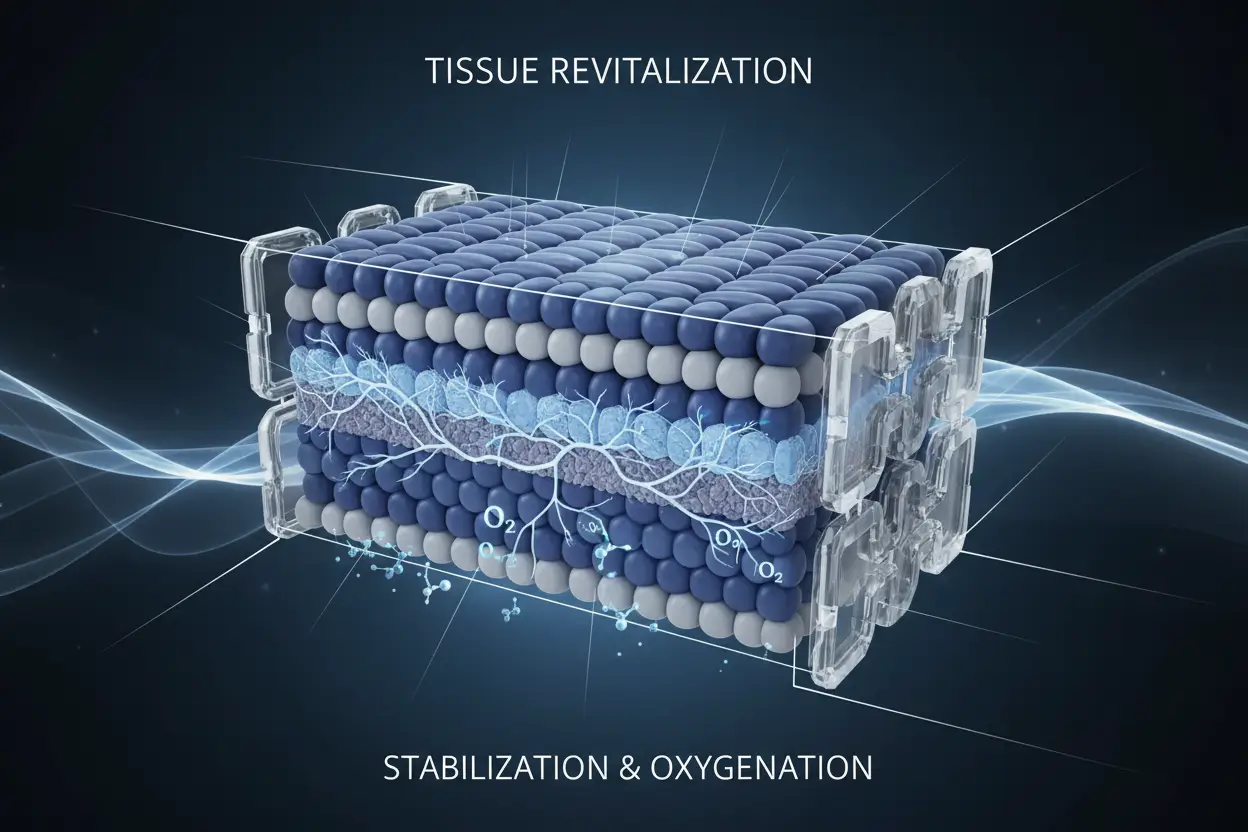
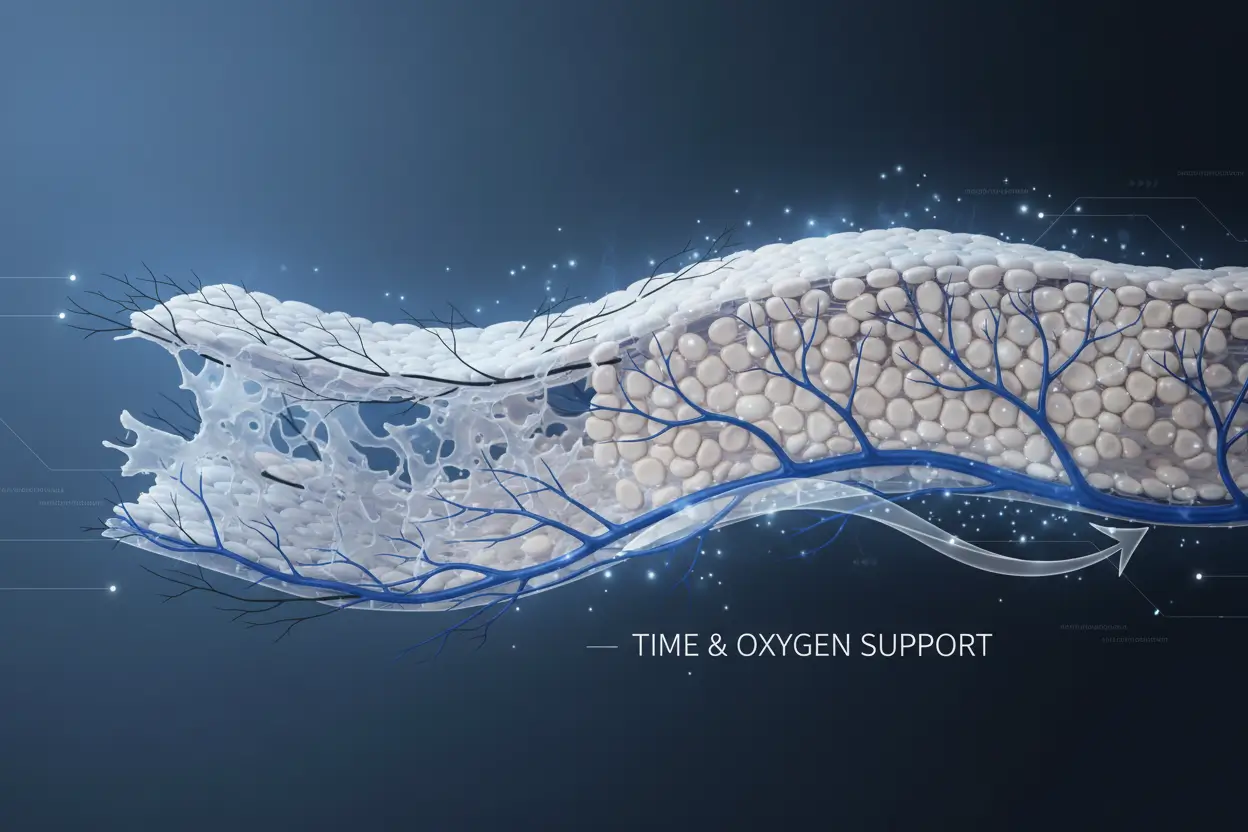
HBOT can be a helpful part of surgical recovery when the core issue is that tissue is not getting enough oxygen to heal well. In the chamber, you breathe 100% oxygen under gentle pressure. That process increases the amount of oxygen your blood can carry and deliver to tissue that is stressed or slow to repair. In practical terms, HBOT may support surgical recovery by:
- Helping oxygen reach tissue with reduced blood flow
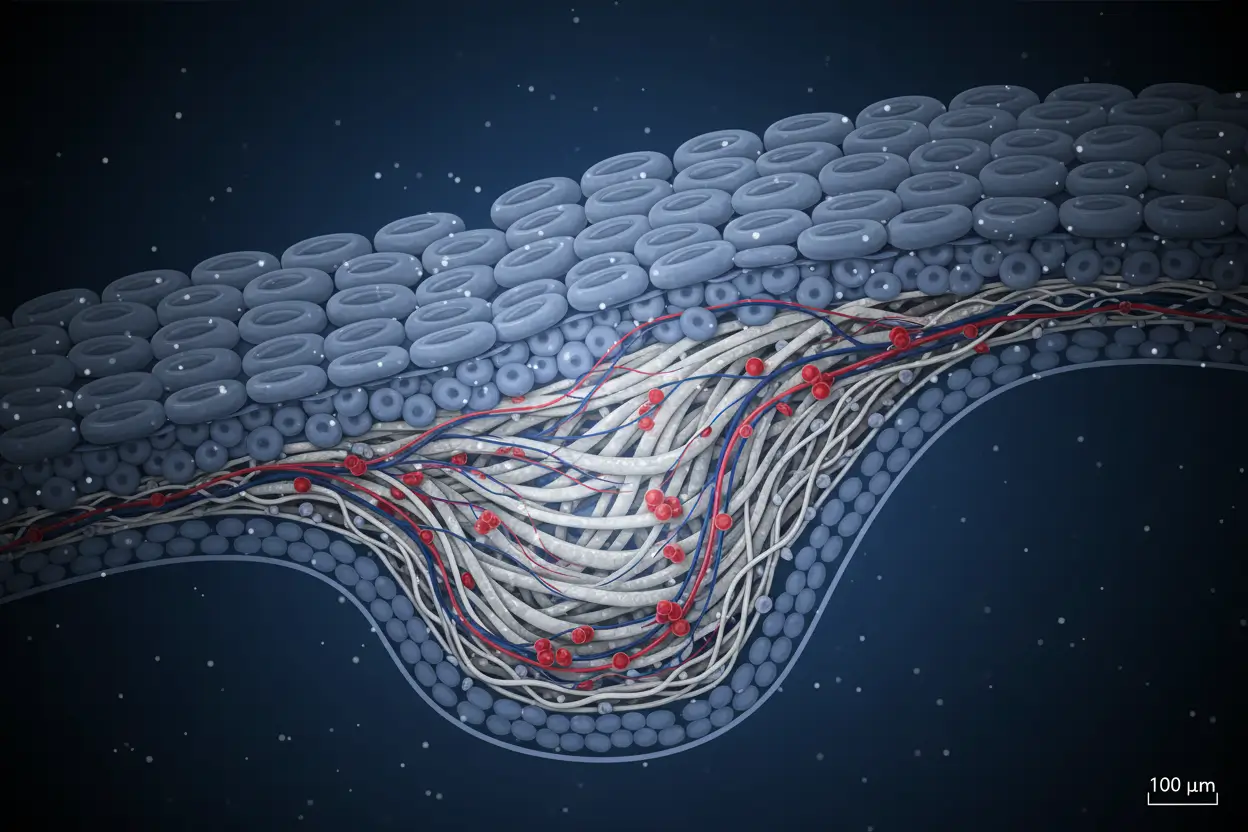
- Supporting collagen production and new blood vessel growth (both are critical for strong wound healing)
- Reducing swelling in certain injuries, which can improve oxygen delivery and tissue viability
- Supporting immune defenses in selected infections, alongside standard medical and surgical care
Want to know if HBOT is for you?
Related surgical concerns we also address
Non healing wounds (including diabetic foot ulcers)
Non healing wounds are often not just skin deep. They can involve poor circulation, nerve damage, and ongoing inflammation. In diabetes, this risk is common: lifetime risk estimates for a diabetic foot ulcer are often reported in the 19% to 34% range. HBOT is used as an adjunct to strong wound care for selected, more severe wounds because higher oxygen delivery can support tissue repair, help the body fight infection in the wound environment, and support wound closure. Patients usually see the best outcomes when HBOT is paired with a multidisciplinary plan that includes offloading, debridement when needed, glucose control, and evidence based wound care.
Want to know if HBOT is for you?
Compromised grafts and flaps
Most grafts and flaps heal without HBOT. Where HBOT becomes relevant is when a graft or flap is compromised, meaning tissue is threatened because of poor perfusion, swelling, or low oxygen levels. In these cases, HBOT may help by increasing oxygen delivery to the at risk tissue and supporting the healing processes that help the flap or graft survive. This can reduce the need for repeat procedures in selected cases.
Delayed radiation tissue injury (soft tissue and bone)
After radiation therapy, tissue can become scarred, less elastic, and poorly vascularized. Months or even years later, patients may develop wounds that will not heal, pain, recurrent infections, or tissue breakdown in the radiated area. HBOT is one of the most frequently used therapies for delayed radiation injury because it can support new blood vessel formation and improve tissue quality in areas that have been chronically oxygen deprived. In real life, HBOT is often paired with specialty care and, when needed, surgical management.
Want to know if HBOT is for you?
Urology related recovery needs (including radiation cystitis)
Some urology problems fall under delayed radiation injury, such as radiation cystitis, where bladder tissue becomes fragile and can lead to bleeding, urgency, pain, or recurrent symptoms. HBOT may help by improving oxygen delivery and supporting the repair environment in radiation injured tissue. Treatment is individualized and coordinated with urology.
Want to know if HBOT is for you?
Crush injury and other acute traumatic ischemias
In severe injuries where tissue is deprived of blood flow, swelling can create a cycle that further reduces oxygen delivery. In selected cases, HBOT may support recovery by reducing swelling and improving tissue oxygenation, helping interrupt that cycle while definitive surgical care and rehabilitation are being delivered.
Plastic surgery recovery
In reconstructive and plastic surgery, healing depends on tissue perfusion and a stable recovery environment. HBOT may be considered for patients with higher risk healing situations, including compromised tissue, prior radiation exposure, or wounds that are slow to close. The goal is to support tissue viability and reduce setbacks when healing is not progressing as expected.
Also explore UIC’s Infusion Therapies and PRP for Orthopedics as supportive options that may be coordinated with your recovery plan.
Infertility (supportive, case by case)
Some patients explore HBOT as a supportive therapy during fertility care. This is case by case and depends on your diagnosis and treatment plan. If HBOT is considered, the focus is on clear goals, realistic expectations, and coordination with our fertility specialist.
Benefits of treating it with HBOT
A surgical recovery plan that includes HBOT when appropriate can aim to:
- Improve wound healing quality and support closure in selected slow healing wounds
- Support tissue viability in compromised grafts or flaps
- Support recovery in radiated tissue, where standard healing is harder
- Reduce setbacks that can lead to repeat procedures, prolonged wound care, or extended downtime
- Improve comfort and function as healing progresses
Want to know if HBOT is for you?
Profile of a patient who could benefit
You may be a good candidate to explore HBOT as part of surgical recovery if:
- You have a wound or surgical site that is slow to heal, breaking down, or at high risk
- You have a compromised graft or flap or tissue viability is a concern
- You have a history of radiation therapy and are dealing with tissue breakdown or persistent symptoms in the radiated area
- You have diabetes or circulation issues and your care team is concerned about healing quality
- You want a medically guided plan and are open to pairing HBOT with coordinated wound, surgical, and rehabilitation care
Want to know if HBOT is for you?
Relevant points to consider
- HBOT is an adjunct therapy. It works best when combined with the right medical and surgical plan.
- Not every wound needs HBOT. We evaluate severity, tissue oxygenation, and risk factors to determine fit.
- Safety screening matters, and we tailor the number of sessions to your diagnosis and goals.
Ready for a clear plan?
Call (866) 961-1744 to schedule a consultation, or contact us to request an evaluation.
We will review your symptoms, timeline, and goals, then explain whether HBOT will be of benefit for your case and what a realistic treatment plan could look like.