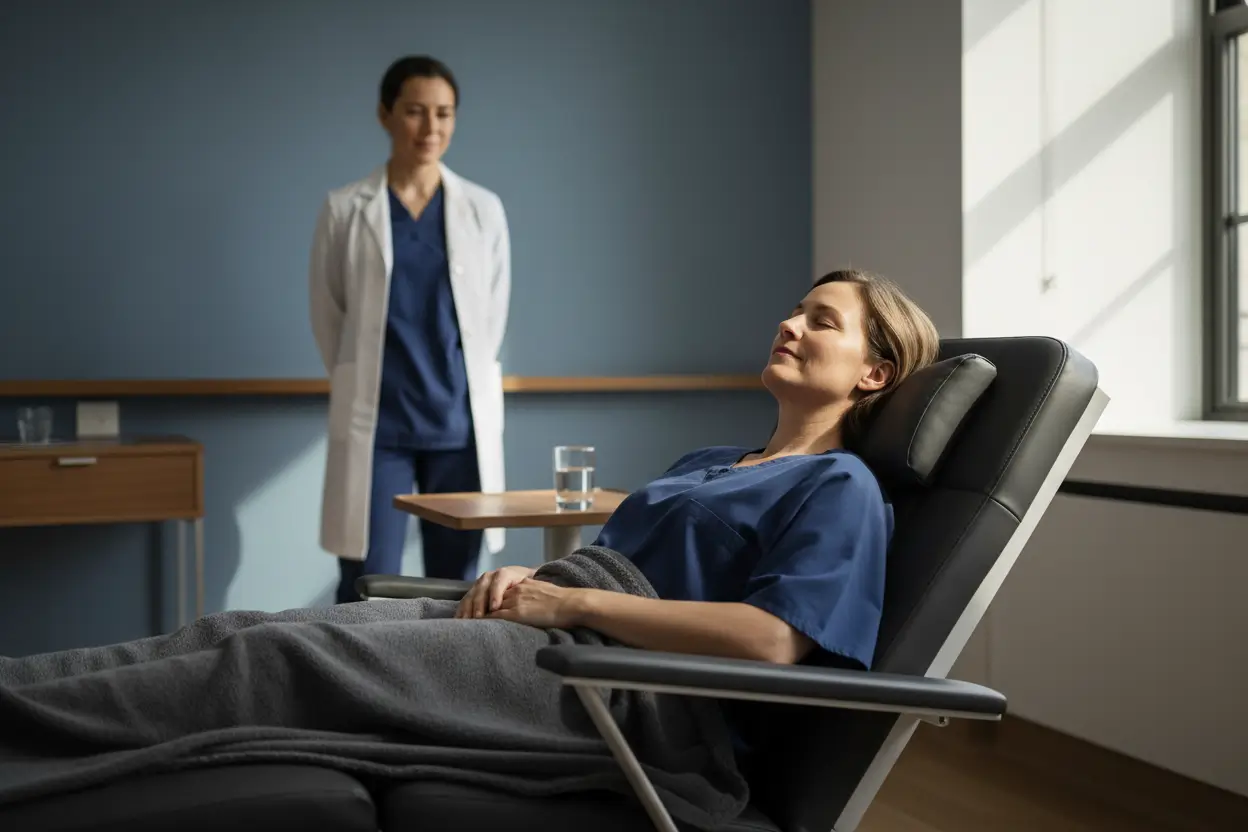
Don’t Let That Injury Tackle Your Comeback
Training and competition push the body on purpose. Most soreness and fatigue after exercise are normal and improve with rest, sleep, hydration, and smart training. The situations that become frustrating are different: injuries that heal slowly, tissue that is struggling because swelling or circulation limits oxygen delivery, or recovery setbacks that keep you from returning to sport safely.
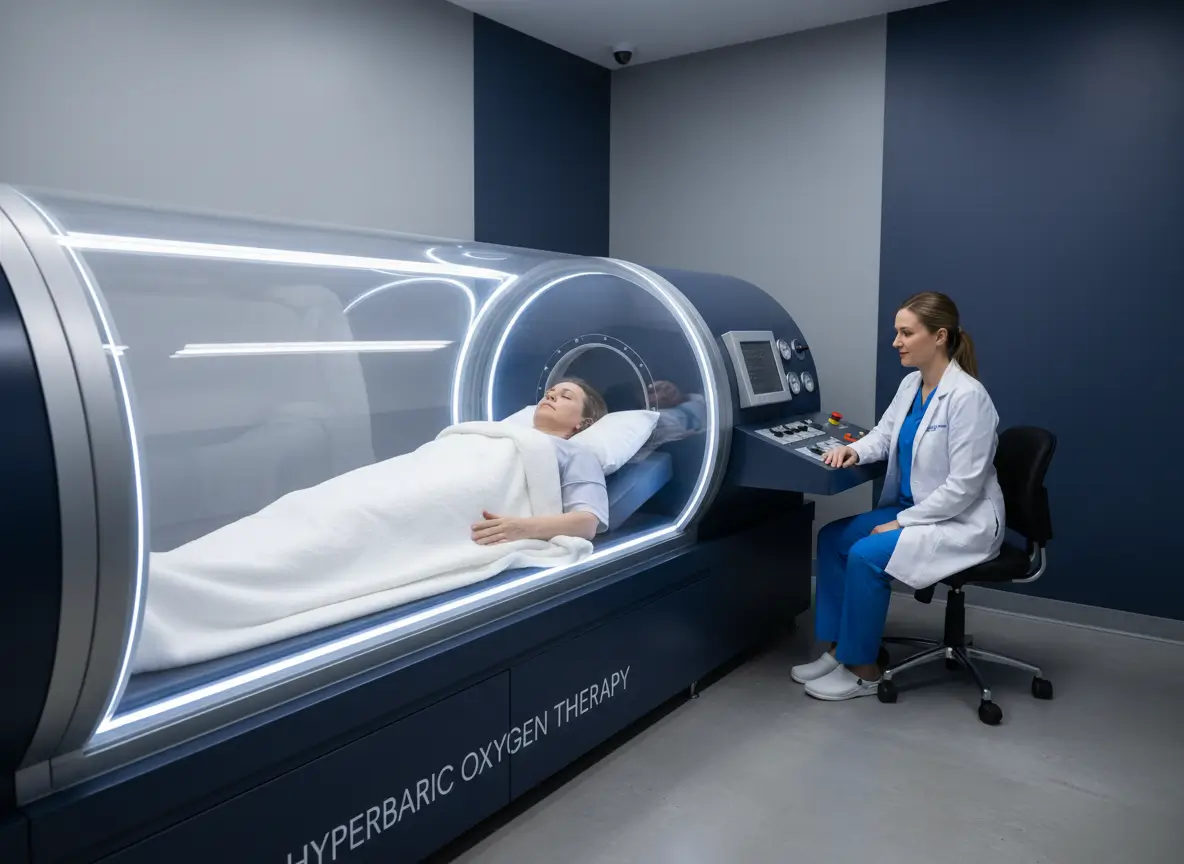
HBOT can be considered as part of sports recovery when your goal is to improve the healing environment in stressed tissue. In HBOT, you breathe 100% oxygen in a pressurized chamber. That pressure increases the amount of oxygen your blood can deliver to tissue. For athletes, the most practical way to think about it is:
- More oxygen available to injured tissue can support repair processes that depend on oxygen, including collagen building and tissue remodeling.
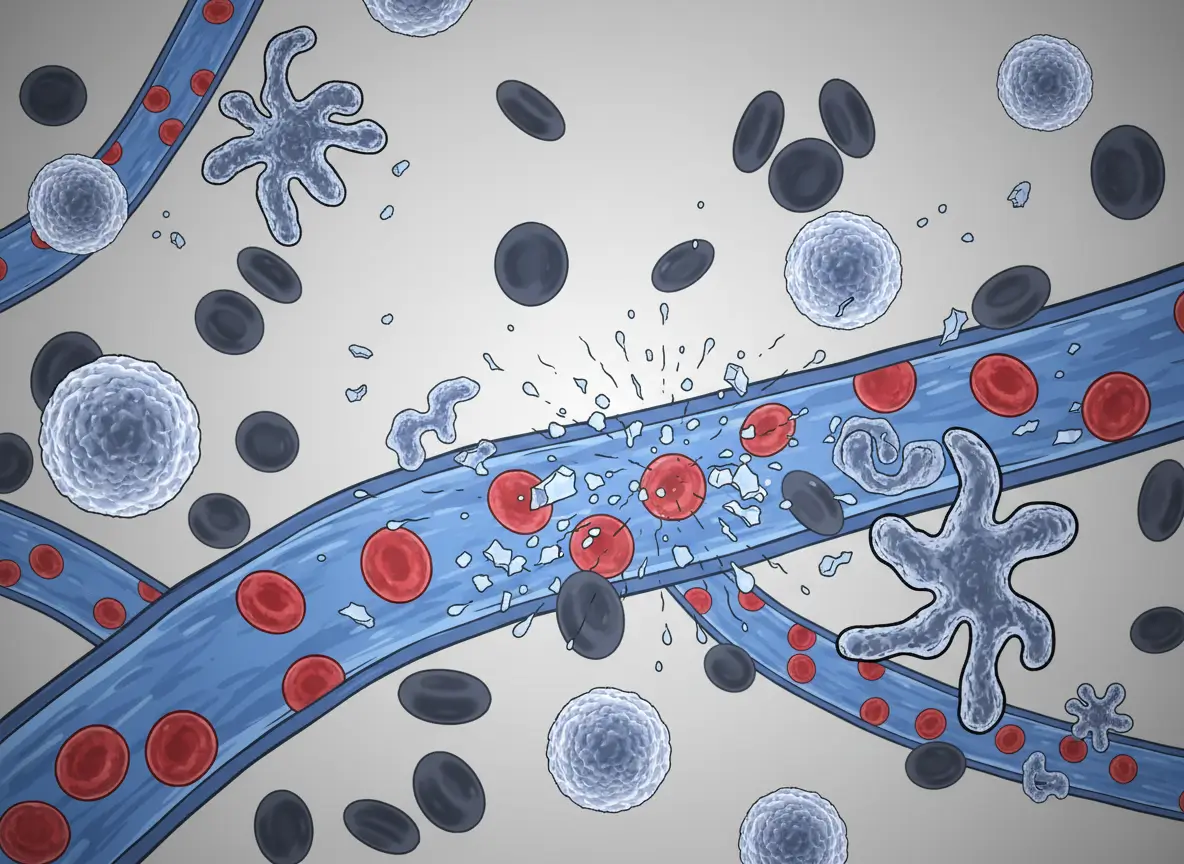
- Reduced edema in selected settings can improve microcirculation and help tissue receive what it needs to heal.
- Support for recovery around complex wounds or compromised tissue where oxygen delivery is part of the limiting factor.
Professional note: HBOT has strong evidence based use in specific medical indications (for example compromised grafts and flaps, crush injury and acute traumatic ischemias, selected non healing wounds). For routine post workout soreness and performance enhancement, evidence is mixed, so we focus on careful selection, clear goals, and measurable progress.
Want to know if HBOT is for you?
Related sports conditions HBOT can support
Muscle strains and exercise induced muscle injury
Muscle injuries range from mild strains to more significant tears. Early on, athletes often notice pain with contraction, weakness, and reduced range of motion. The fastest recoveries usually happen when we reduce swelling early, protect the tissue, then rebuild strength and movement with a clear progression plan.
HBOT can help support this process by increasing oxygen availability to stressed tissue, which supports repair and remodeling. In our model, HBOT works best when it is paired with a structured rehab plan through UIC’s Rehabilitation Services (add link), so you are not just healing, you are rebuilding performance.
If dizziness or motion sensitivity shows up after an impact, we also encourage patients to explore UIC’s Vestibular Rehabilitation Program (add link), since balance and visual tracking issues can slow return to sport.
Want to know if HBOT is for you?
Tendon and ligament injuries (sprains, tendinopathy)
Tendons and ligaments heal more slowly than muscle because blood supply is lower. Athletes often feel persistent pain with loading, stiffness at the start of activity, or instability after sprains. The cornerstone of recovery is progressive loading and targeted therapy.
HBOT can be used to strengthen the healing environment in selected cases, especially when progress is slow or swelling and tissue stress are limiting recovery. When appropriate, we may coordinate HBOT with UIC’s PRP for Orthopedics (add link) and rehabilitation to support tissue quality while you build strength and control.
Stress injuries and bone recovery support
Overuse can lead to stress reactions and stress fractures, usually felt as pain that builds with activity and improves with rest. These injuries require smart load management, nutrition support, and a gradual return to impact.
HBOT is not the first line treatment for stress injuries, but it can be considered in selected complex cases where recovery is challenged or risk factors are present. The goal is to support tissue recovery while the core plan addresses training load, bone health, and rehabilitation milestones.
Want to know if HBOT is for you?
Post surgical return to sport
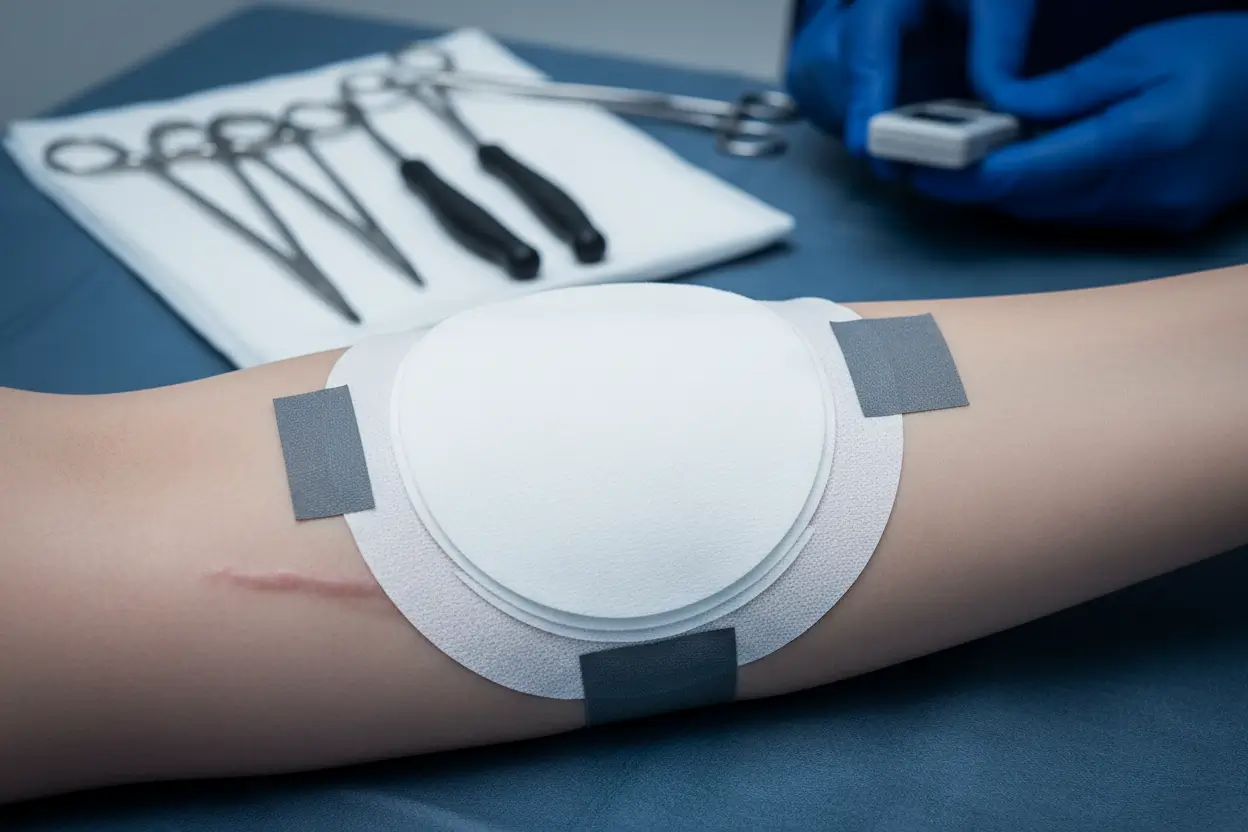
After orthopedic surgery, the priority is protecting the repair while rebuilding strength and movement patterns. If healing is delayed, swelling is persistent, or tissue viability is a concern, HBOT can be used as supportive care to improve oxygen delivery to stressed tissue and help recovery stay on track.
If this is your situation, link to our Surgery Recovery page for the full HBOT plus healing pathway.
Want to know if HBOT is for you?
Concussion in sports
Concussions are common in sports and can lead to headaches, dizziness, brain fog, fatigue, and sleep disruption. Getting back safely requires symptom guided progression and the right specialty support.
HBOT for persistent concussion symptoms is an active area of research and is offered case by case after evaluation. For patients with dizziness or balance issues, pairing HBOT with UIC’s Vestibular Rehabilitation Program can be especially important. Link to our TBI and Concussion Recovery page for details.
Benefits of treating it at UOC
When HBOT is used appropriately as part of sports recovery, goals often include:
- Supporting tissue healing so you can progress rehabilitation with fewer setbacks
- Improving recovery consistency in athletes dealing with stubborn, slow healing injuries
- Protecting return to sport timelines by supporting the healing environment in selected cases
Helping you return with confidence through a plan that combines medical oversight and performance based rehabilitation
Want to know if HBOT is for you?
Profile of a patient who could benefit
You may be a good candidate to explore HBOT within a sports recovery plan if:
- You have an injury that is slow to heal or keeps flaring when you try to return
- You have swelling, tissue stress, or circulation limitations that may be affecting recovery
- You have a complex wound, compromised tissue, or an injury pattern where oxygen delivery is a known limiting factor
- You want a medically guided plan and are willing to pair HBOT with sports rehabilitation and progression criteria
Want to know if HBOT is for you?
Relevant points to consider
- HBOT is a supportive therapy, not a shortcut. The best outcomes come when it is paired with the right rehab plan.
- We do not promise performance enhancement. We focus on recovery quality, tissue healing, and safe return to sport.
- Your plan should include training modification, sleep, nutrition, and evidence based rehabilitation.
Ready to build a recovery plan that aligns with your body goals? Call (866) 961-1744 or visit our contact page to request an evaluation.